CNC Machining Center
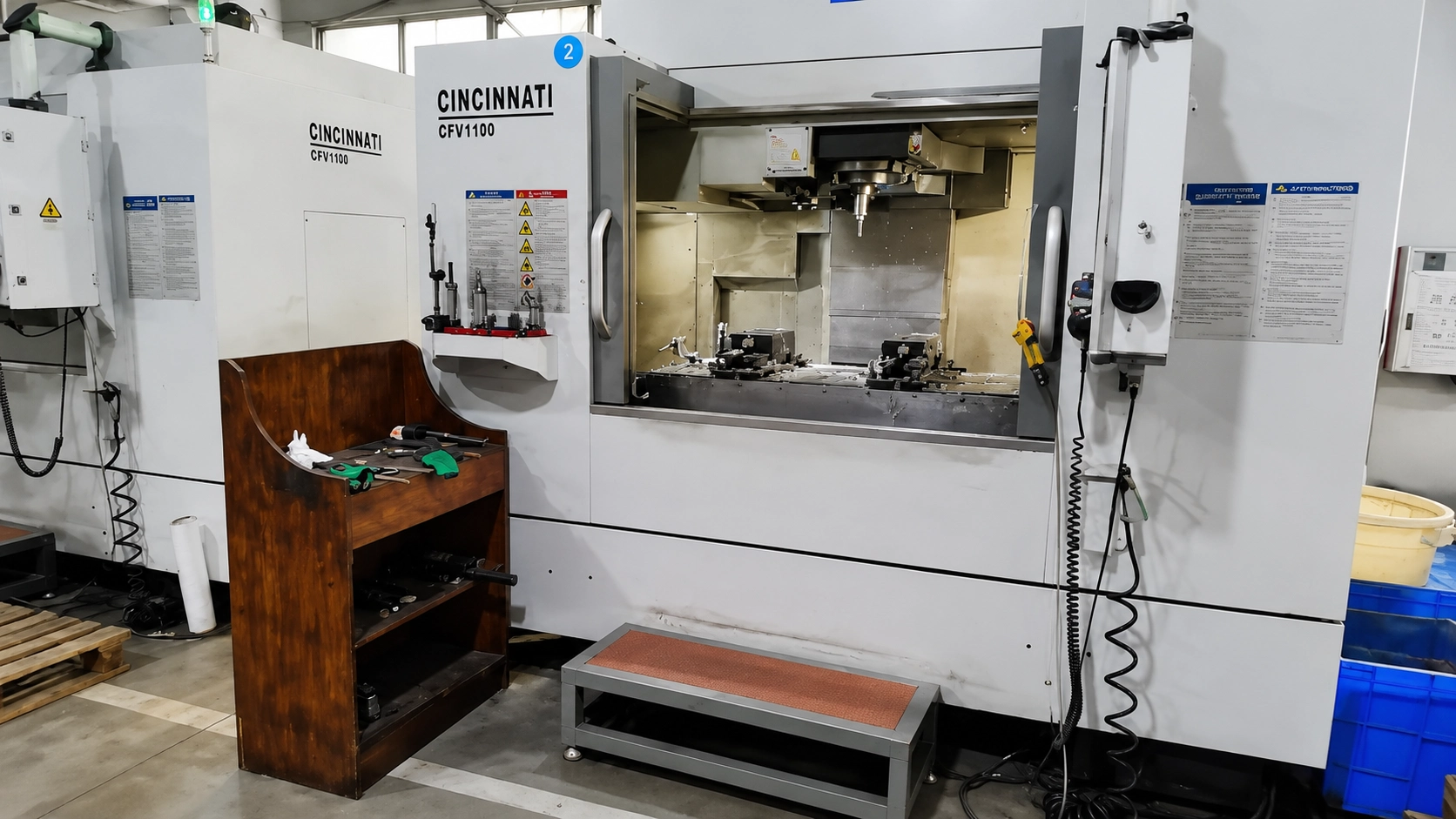
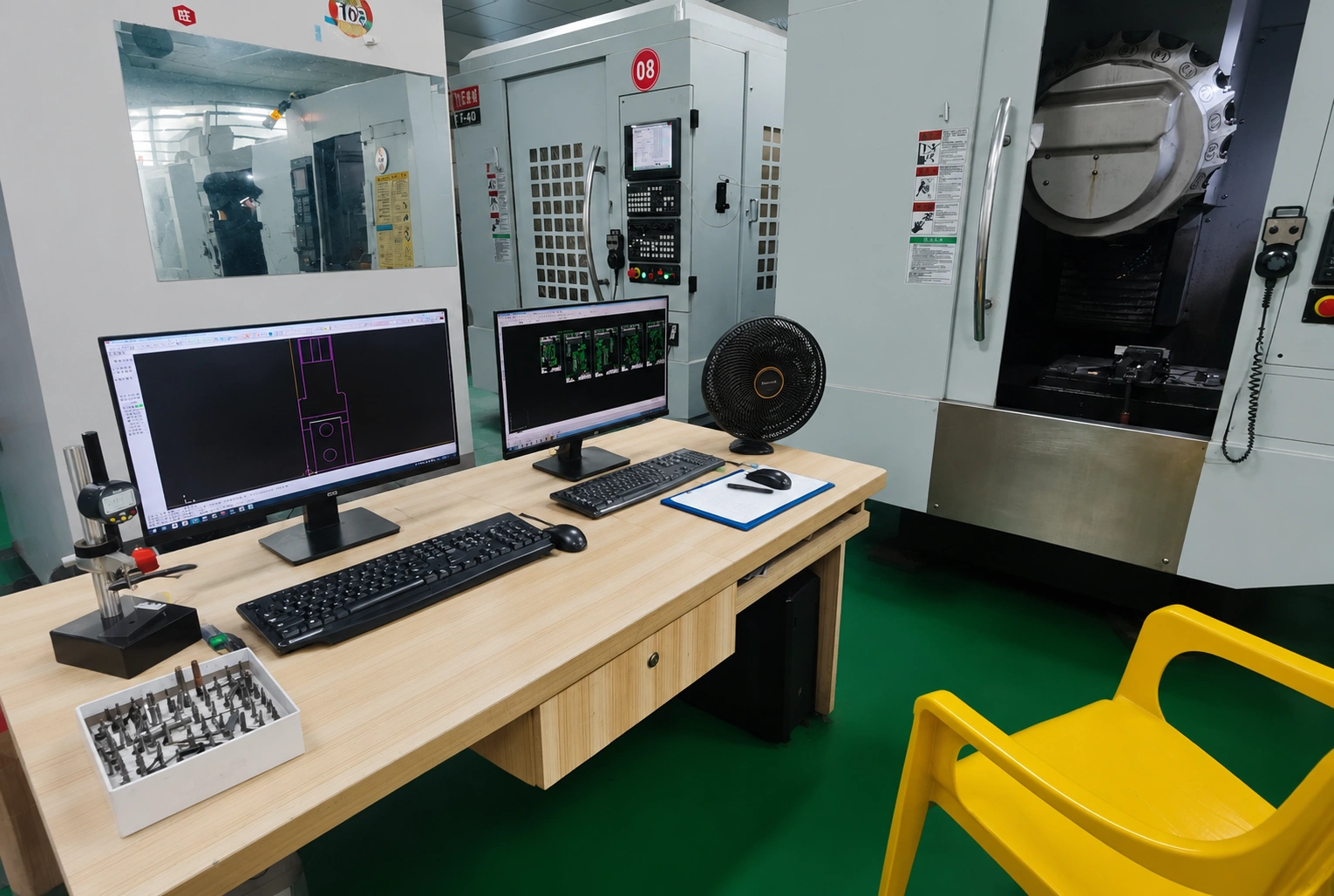
Precision CNC VMC
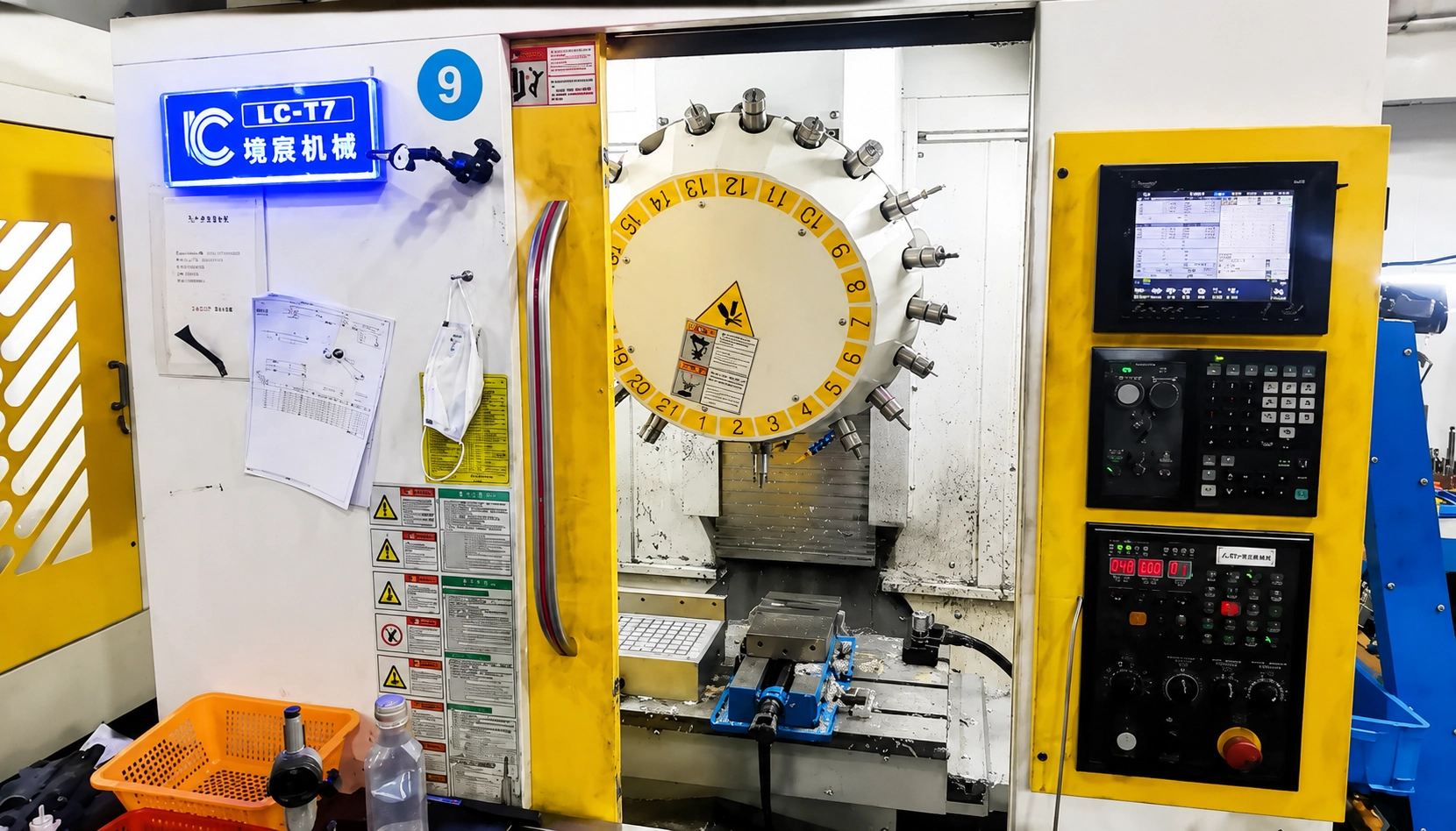
CNC Drill-tap Machining
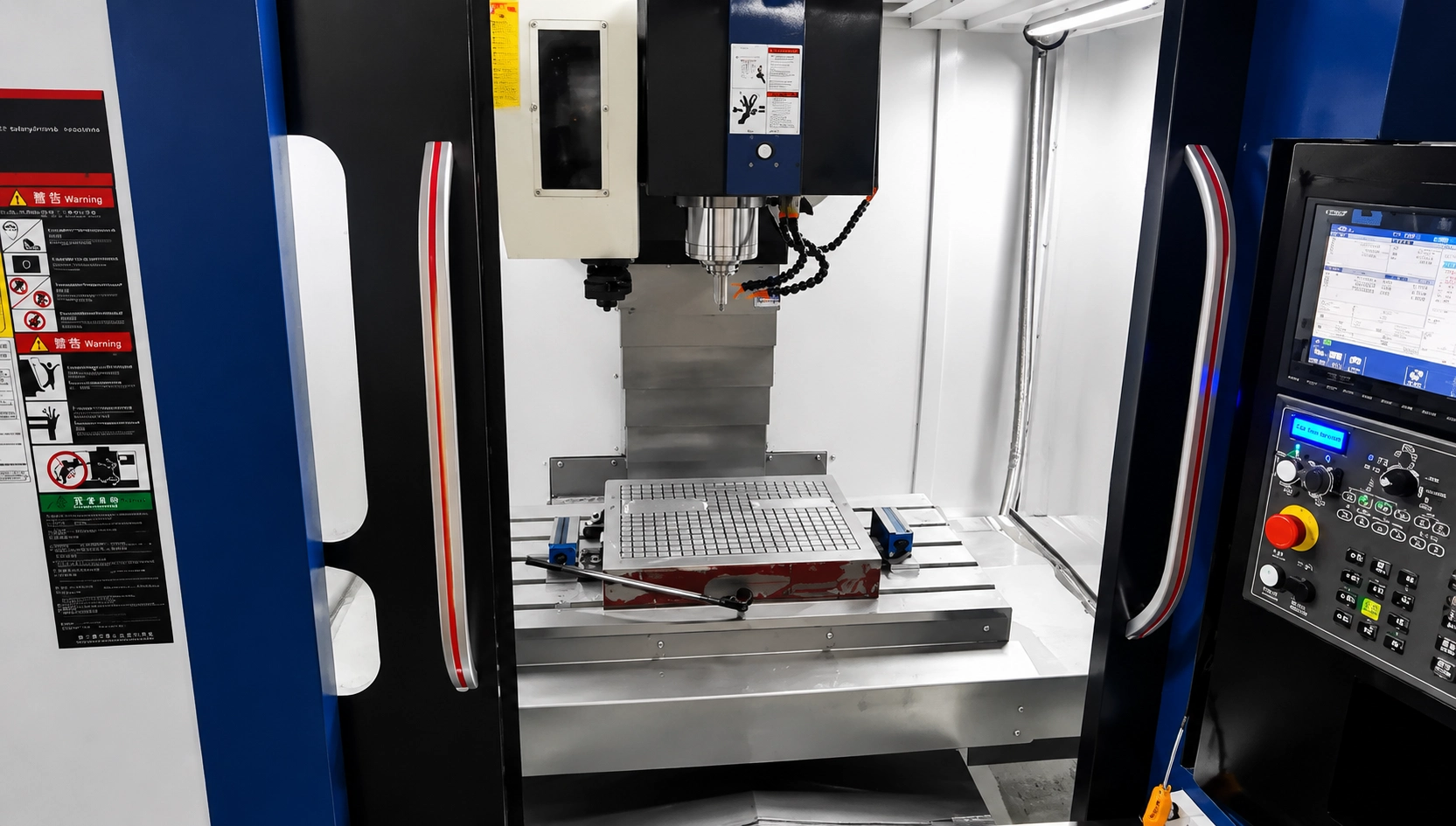
Advanced CNC Machining
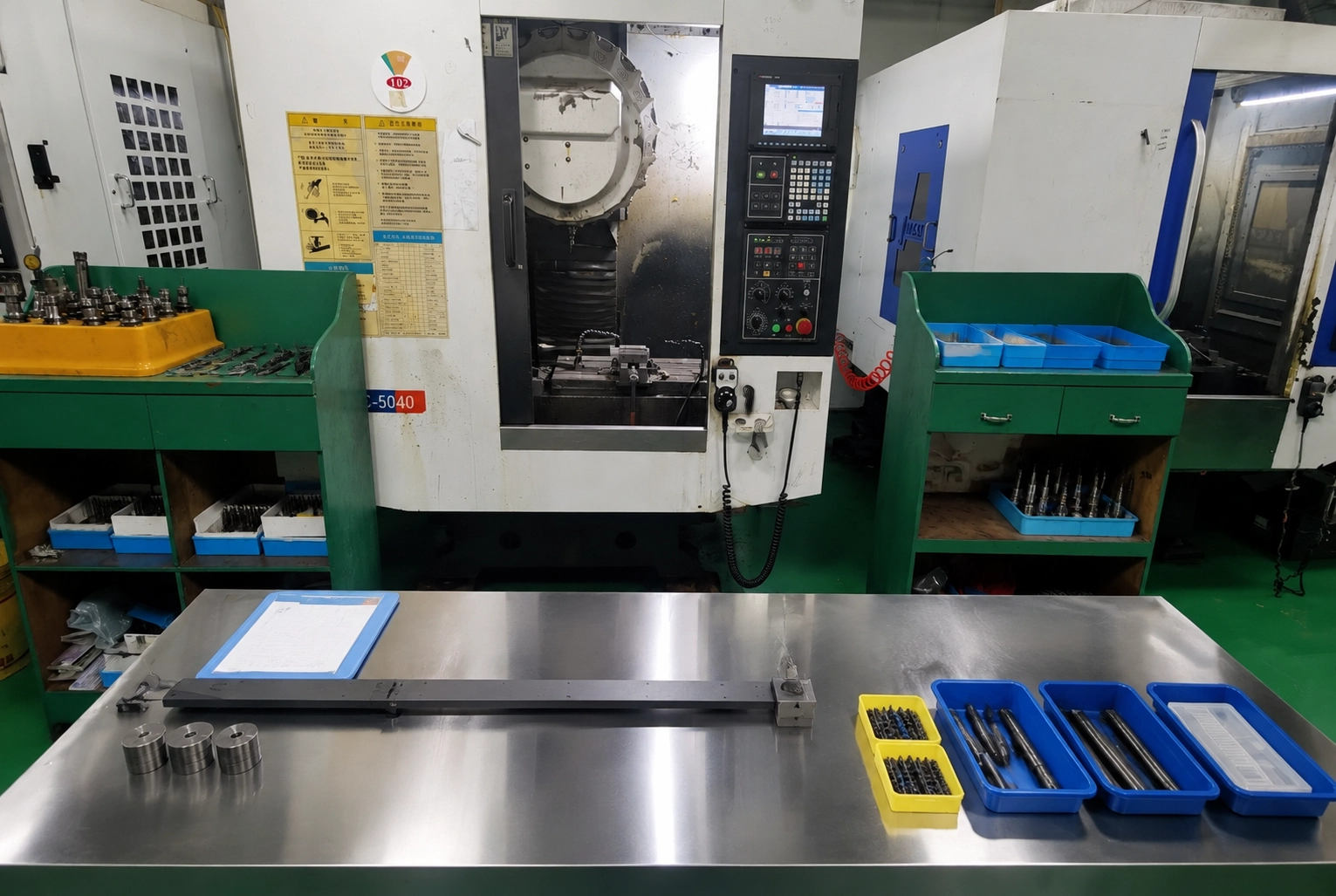
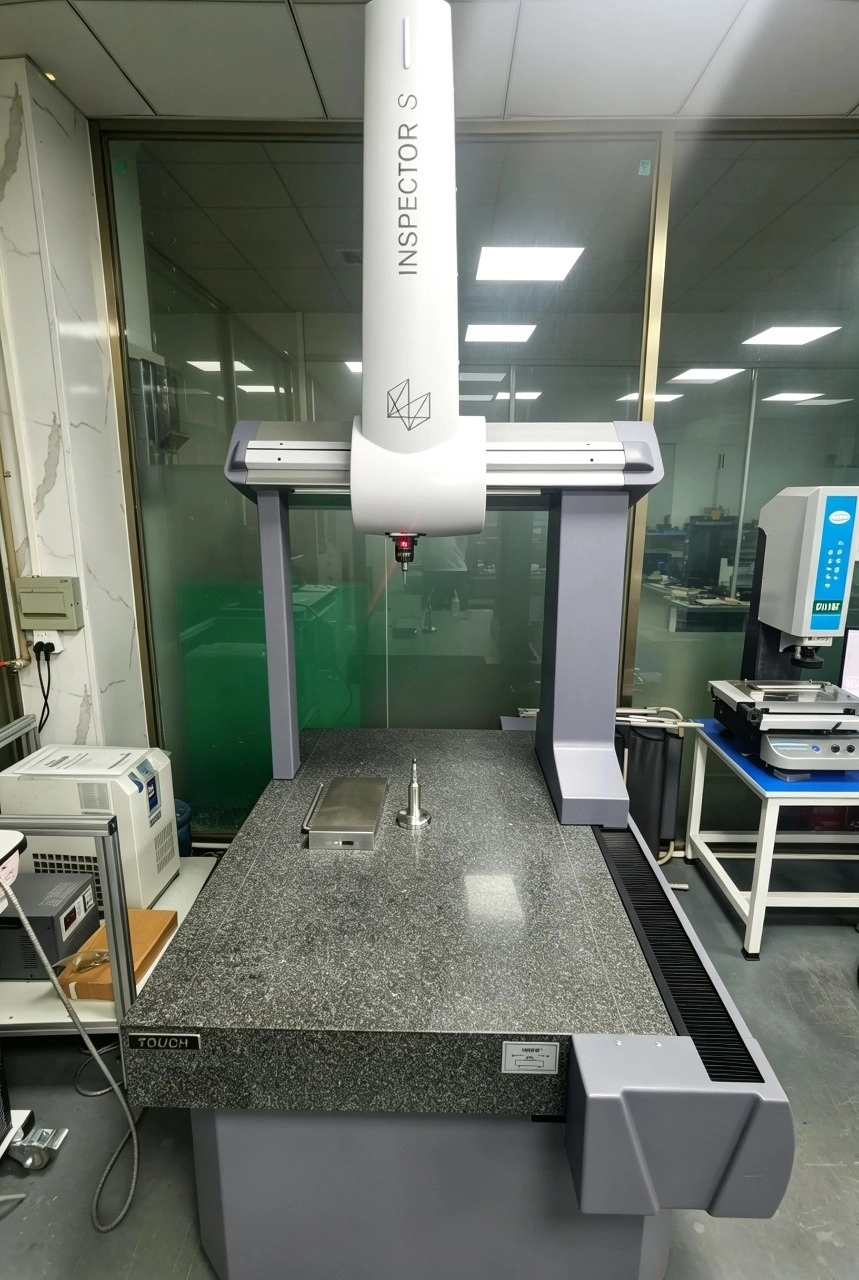
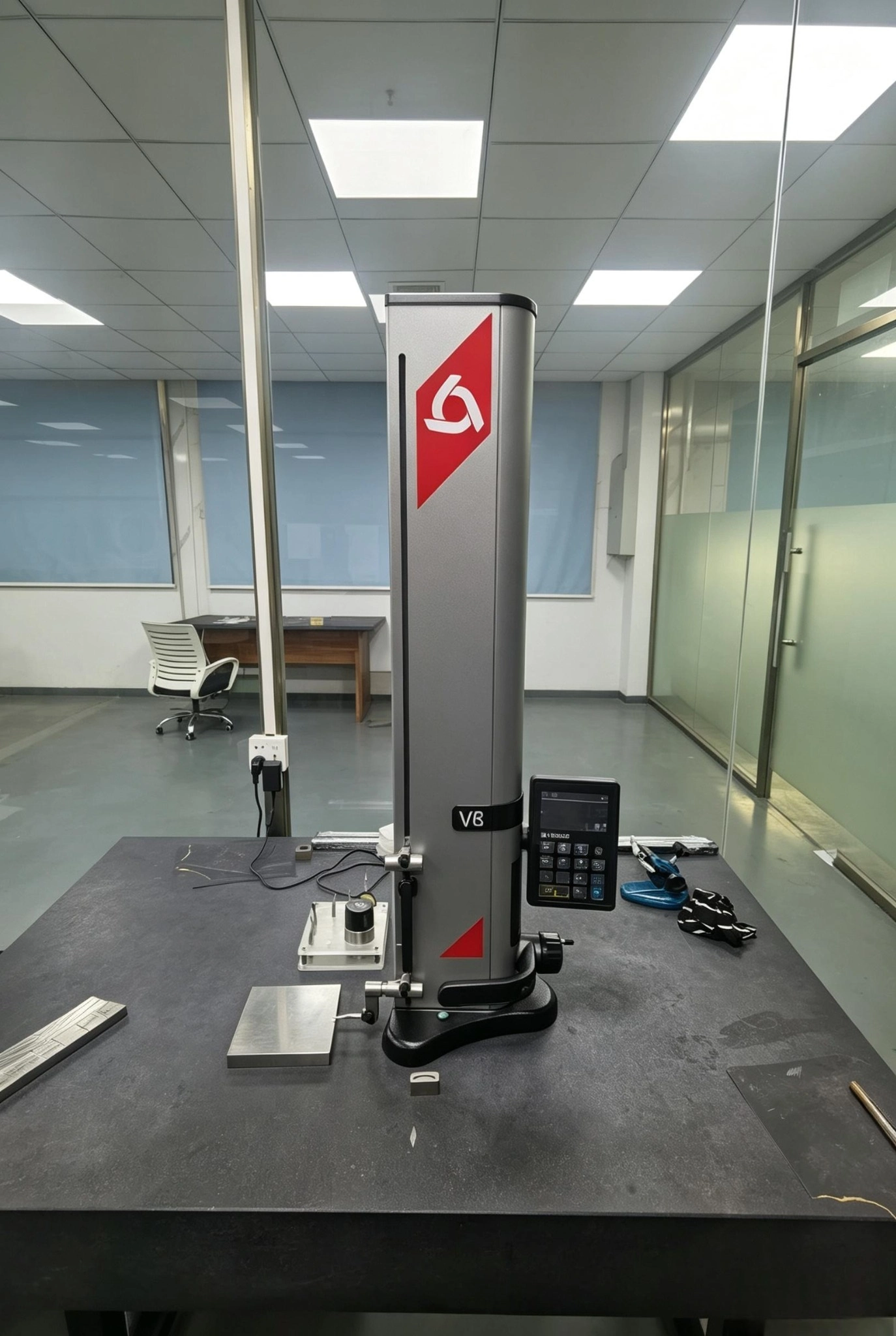
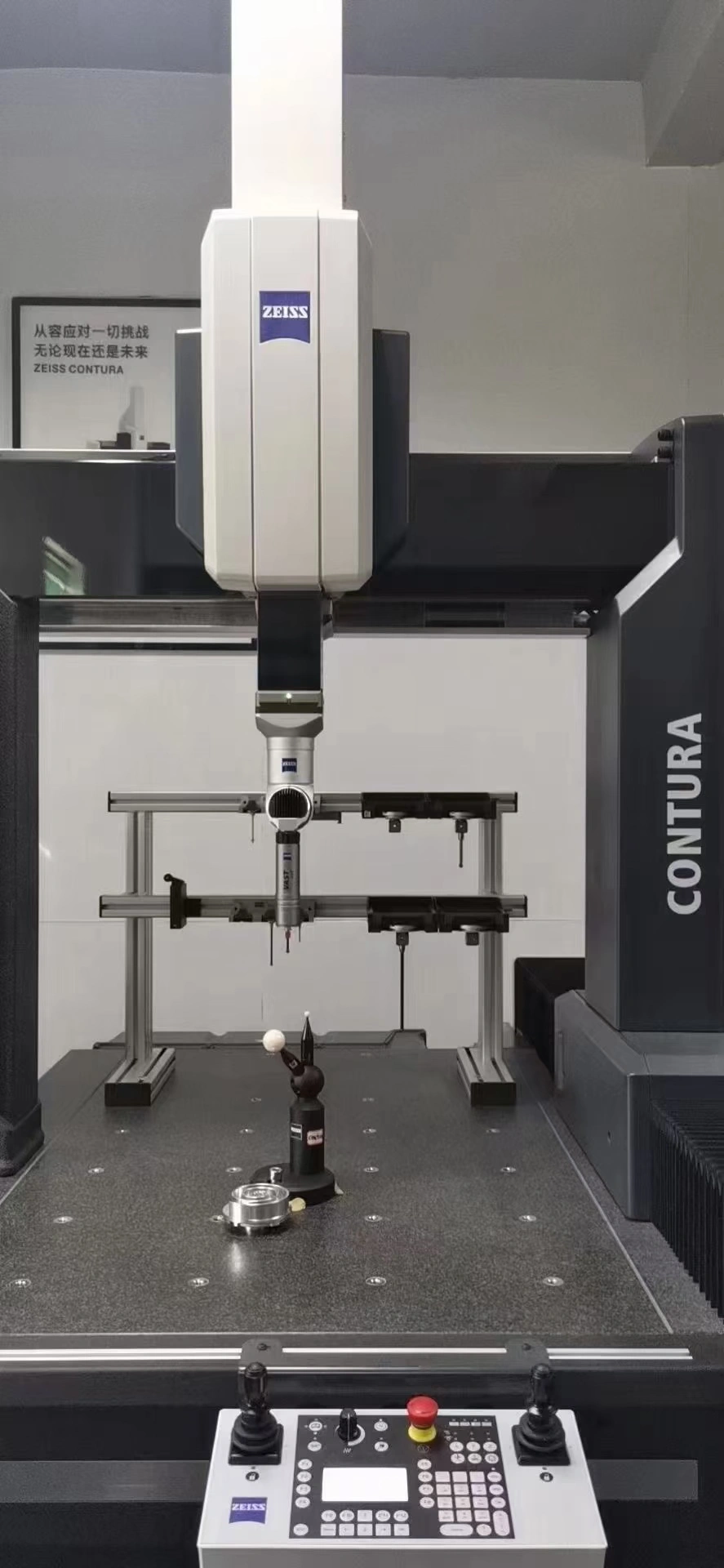
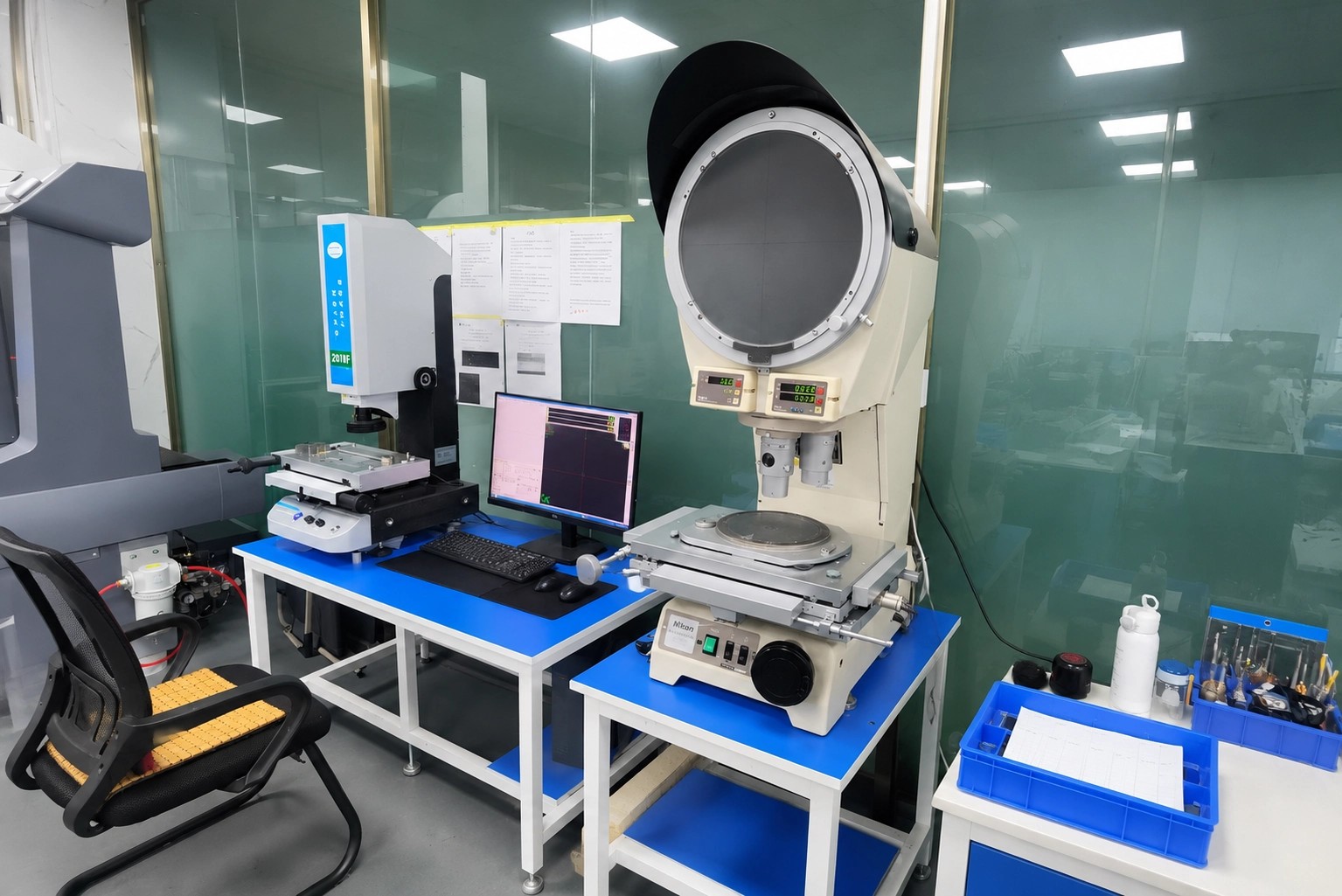
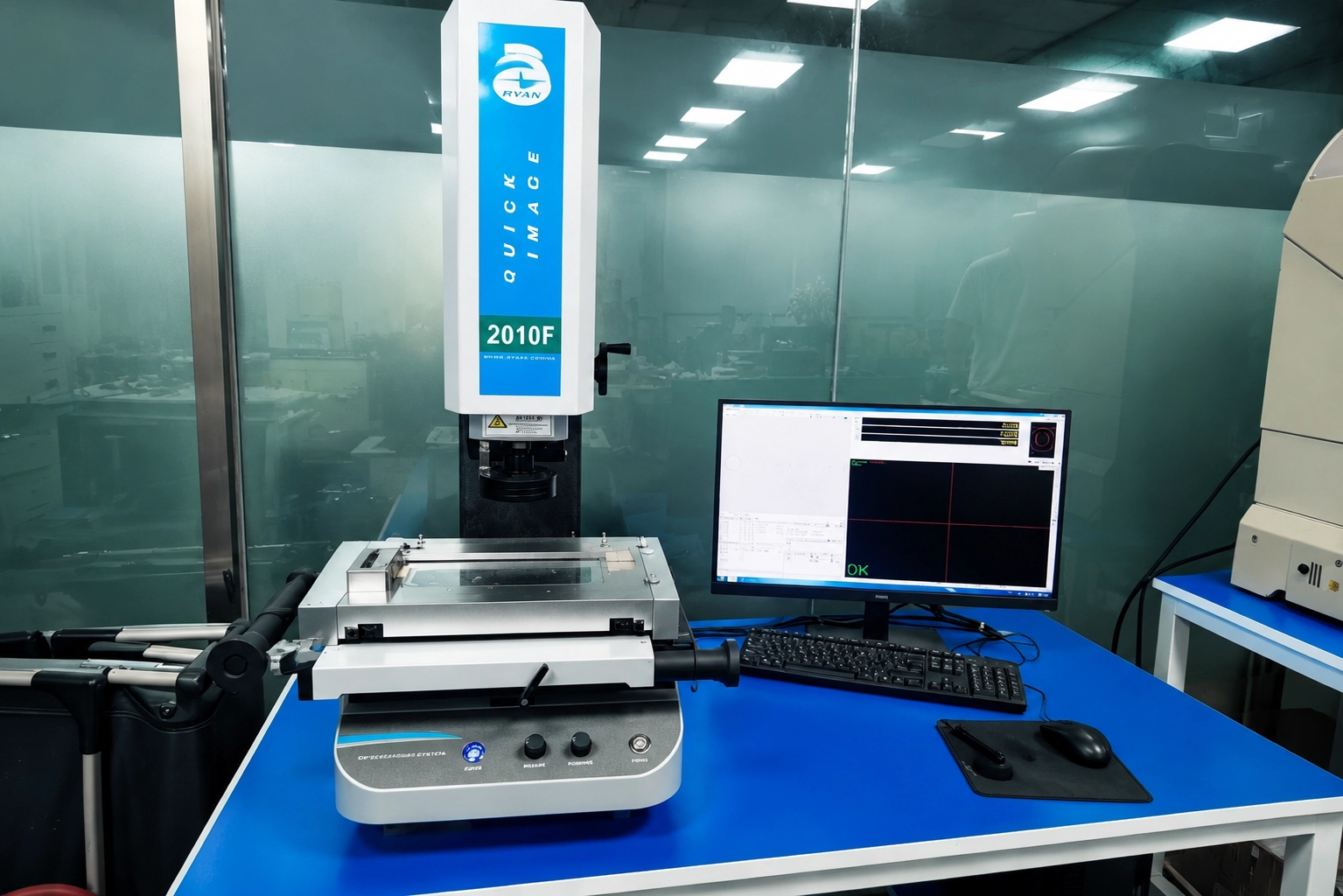
Precision carbide components, wear parts, punches, dies, bushings, and tooling manufactured to your drawings through grinding, EDM, CNC machining, and strict dimensional control. Goray Carbide manufactures custom precision carbide components, wear parts, punches, dies, bushings, and tooling to your drawings. From prototypes to production, we deliver reliable results through precision grinding, EDM, CNC machining, and strict dimensional control by CMM and optical measuring projector
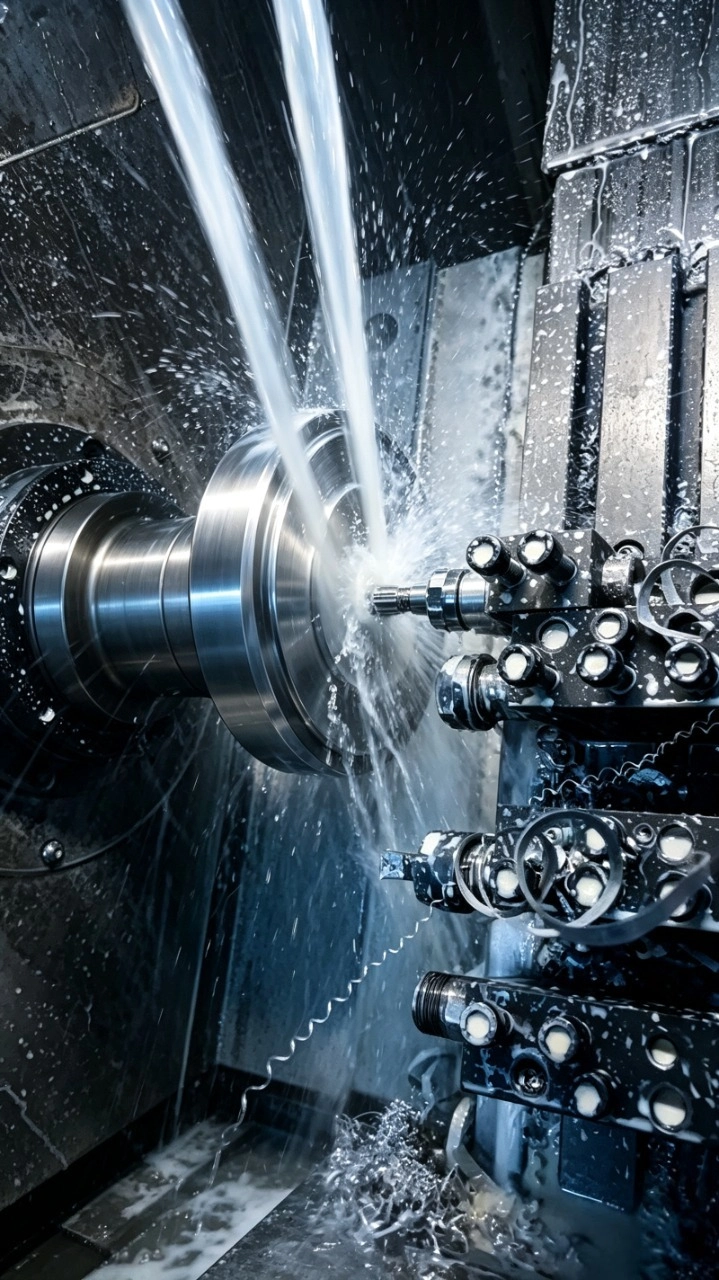
Standard tooling often falls short in demanding industrial environments. When facing severe wear, high impact, or extreme temperatures, custom tungsten carbide tooling provides the necessary durability. With a material hardness ranging from 85 to 95 HRA, tungsten carbide significantly outperforms standard tool steels.
Engineered to exact drawing specifications for specialized industrial applications.
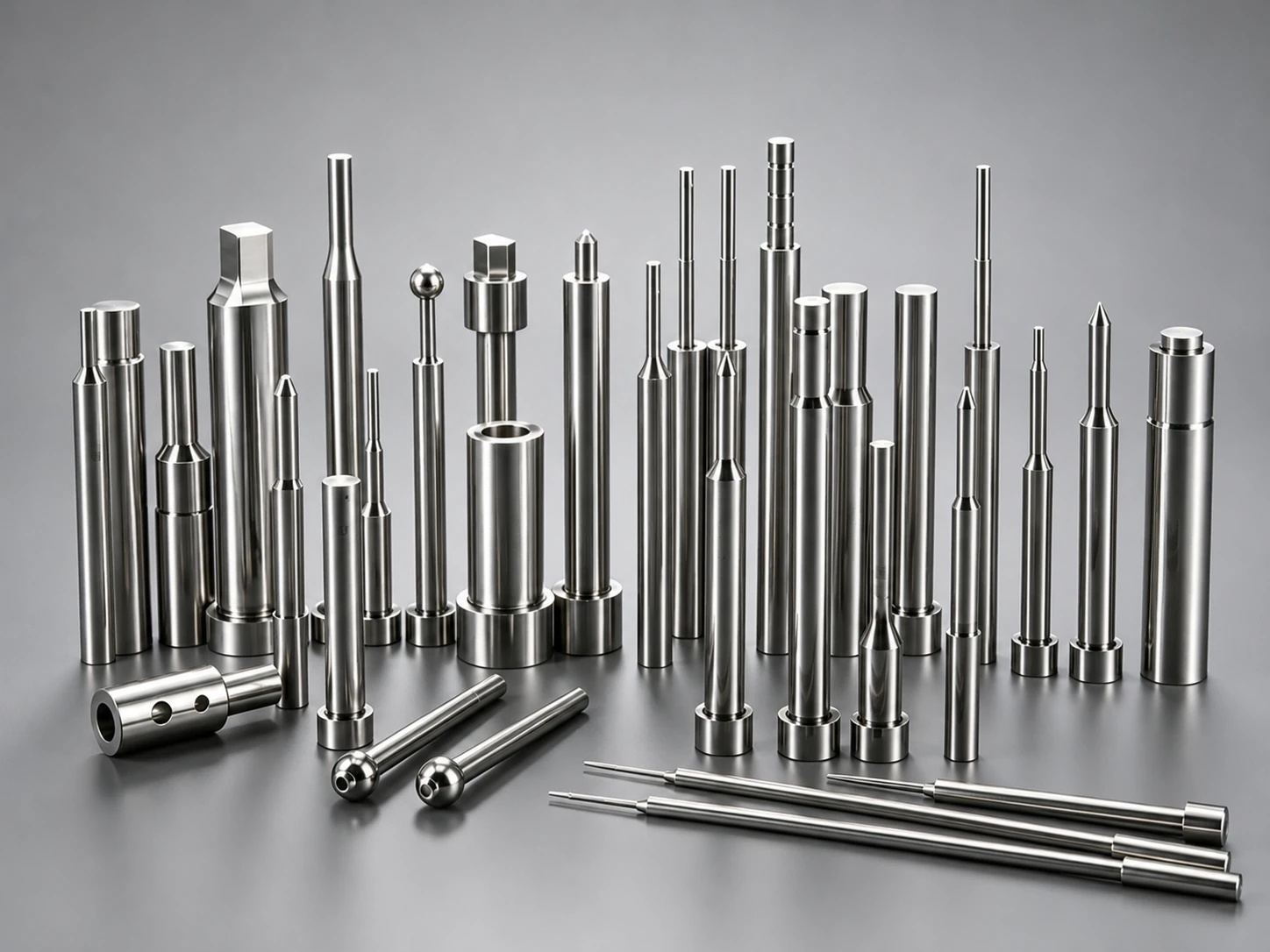
Application:
For stamping manufacturers requiring stable forming performance, Goray produces custom tungsten carbide punches with precision grinding processes to maintain tight dimensional tolerances (±0.005mm) for repeated production cycles.
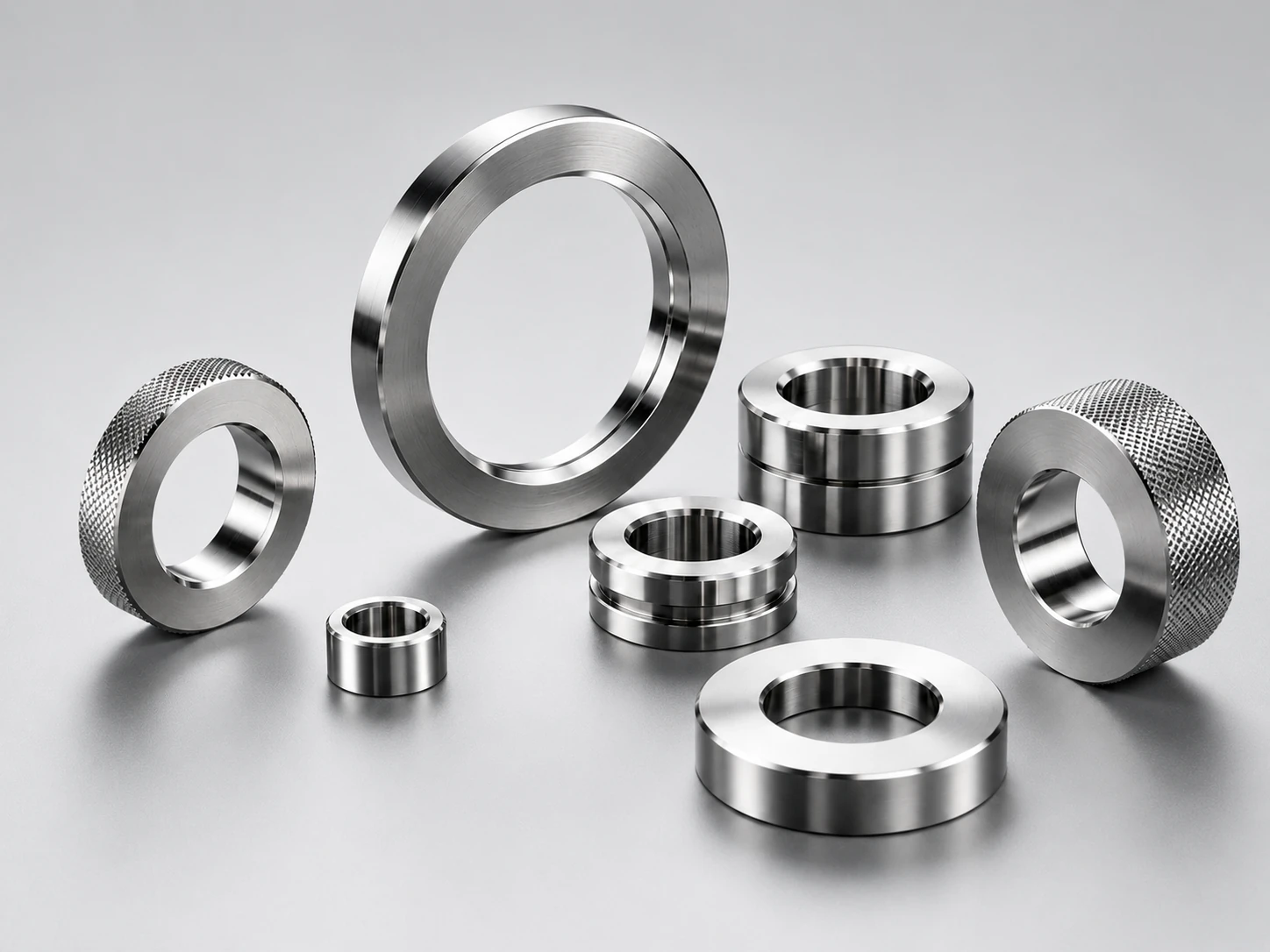
Application:
Engineered for rotary equipment operating in abrasive environments. We utilize precise OD/ID grinding to ensure perfect concentricity, reducing vibration and extending the lifespan of critical shaft assemblies.
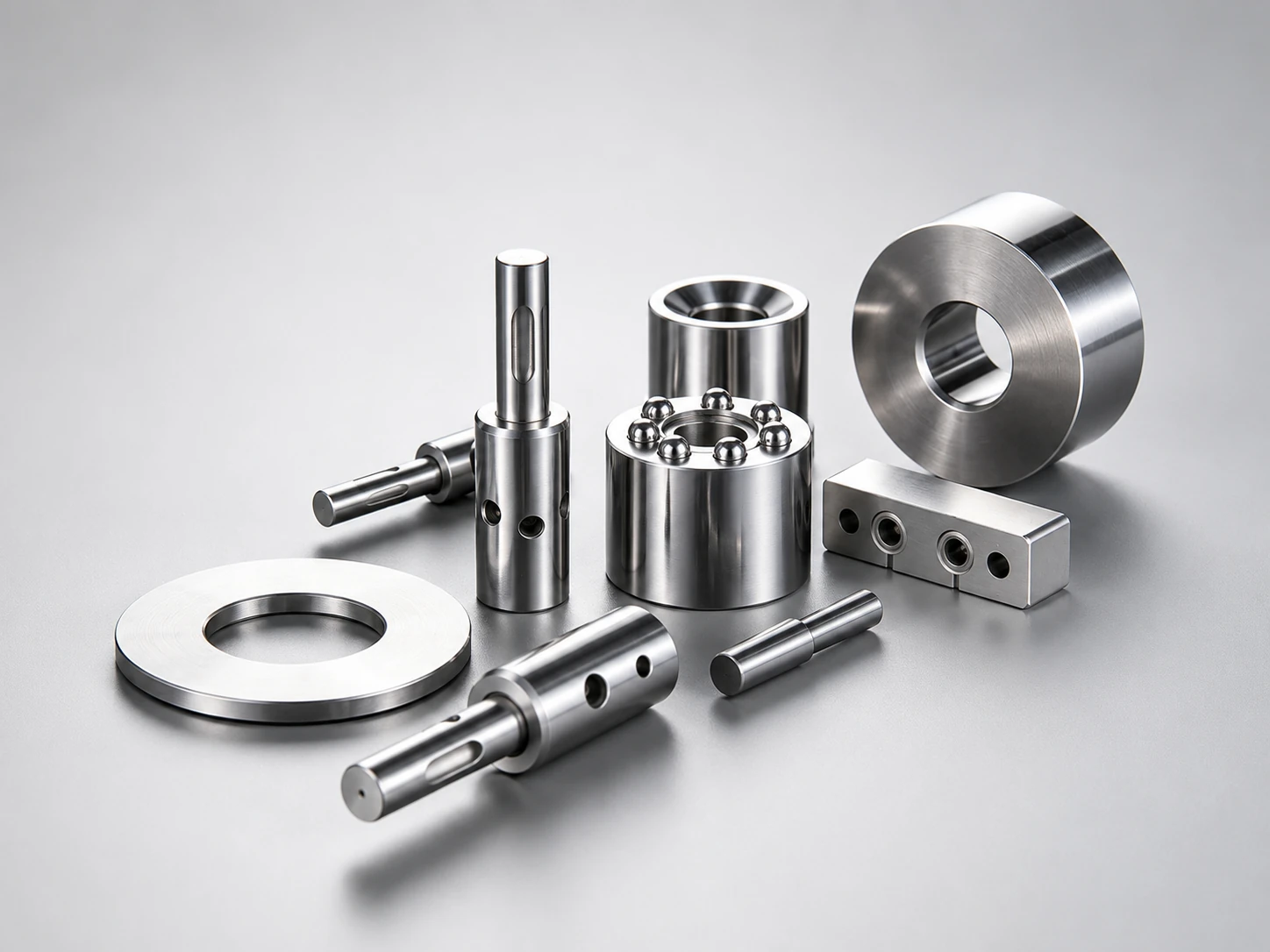
Application:
Designed for fluid handling and mechanical systems facing severe abrasion. By selecting optimal carbide grades (e.g., YG8 or YG15), we manufacture wear parts that drastically minimize downtime and maintenance costs.
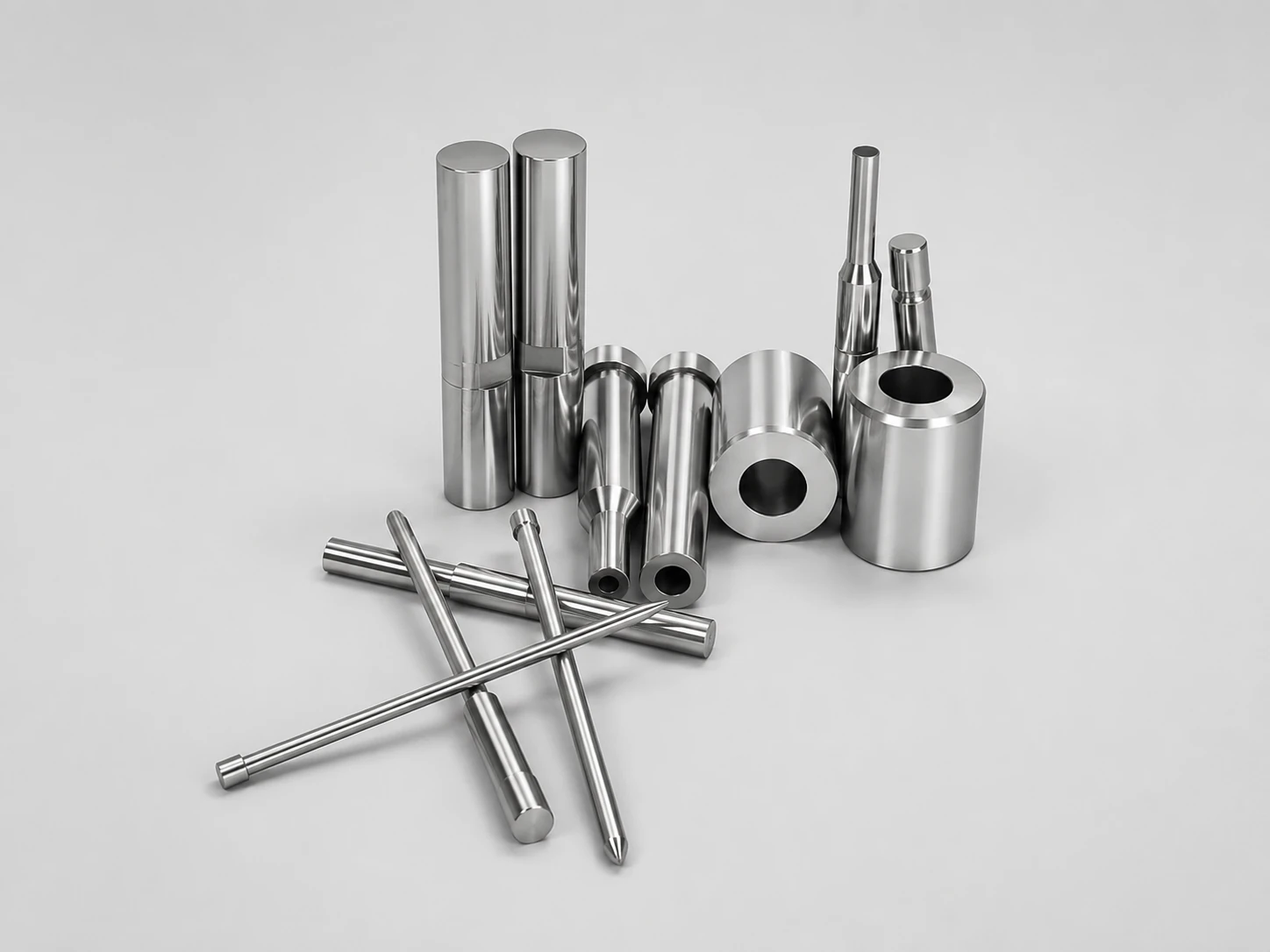
Application:
Manufactured for automation and measurement equipment demanding exact positioning. We achieve up to ±0.002mm precision on gauges and locating pins, ensuring reliable quality control for your production lines.
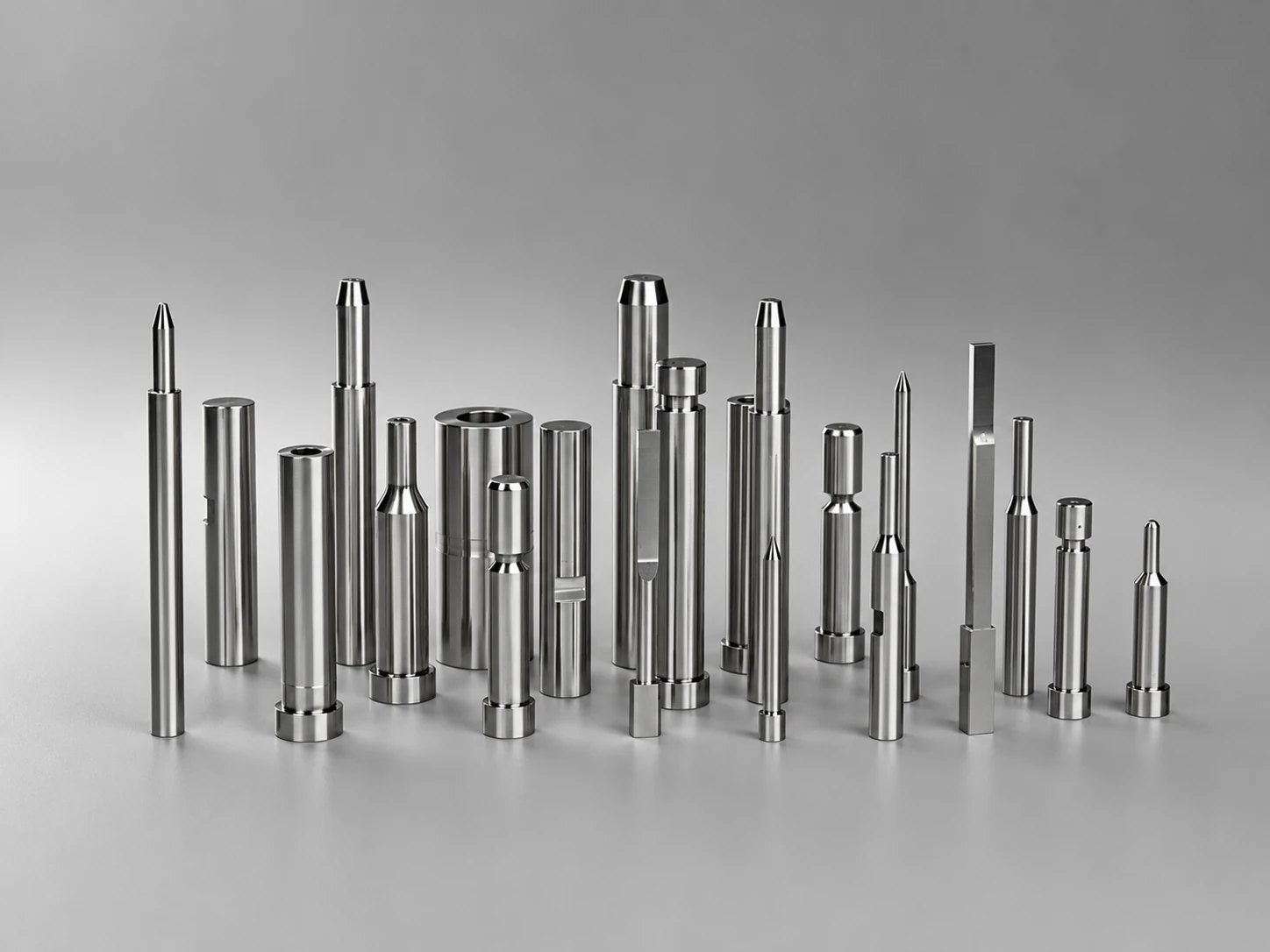
Application:
Produced for injection molding facilities to ensure consistent cavity dimensions. Using wire EDM and centerless grinding, we machine complex mold inserts that resist thermal shock and abrasive resins.
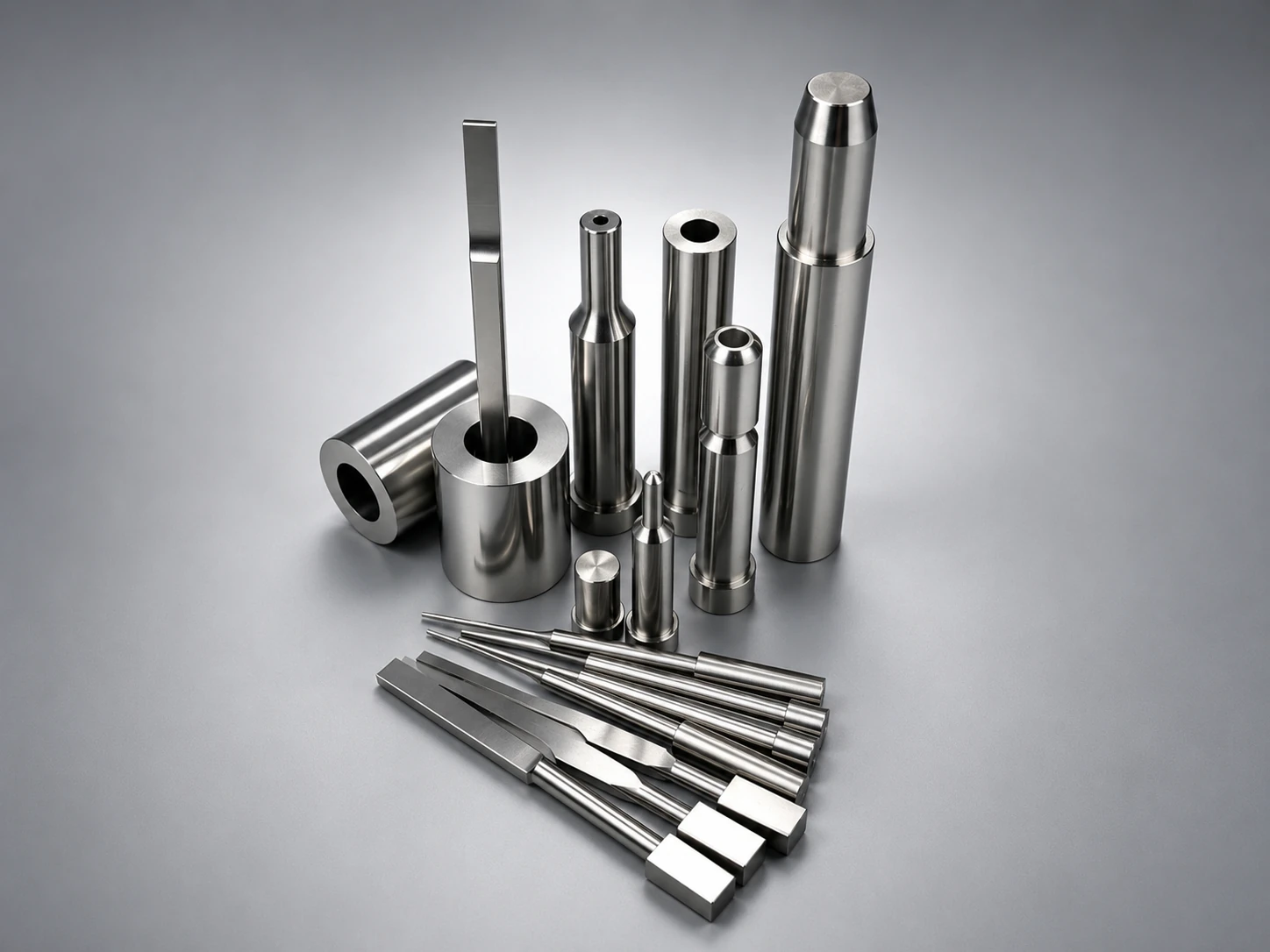
Application: Our custom tungsten carbide parts are widely used in industries where extreme wear resistance, high precision, and long service life are required. From precision tooling and wear components to specialized industrial equipment
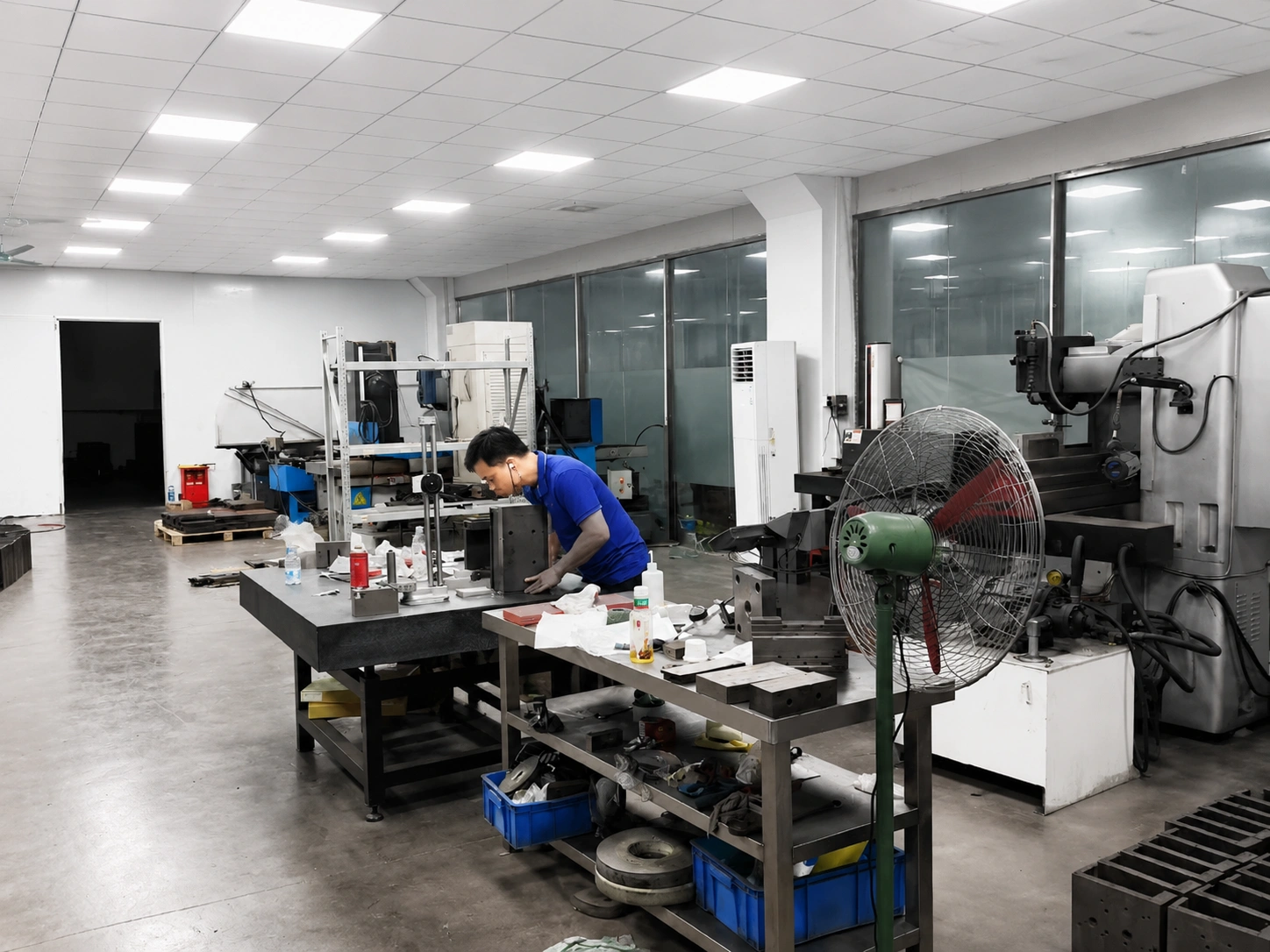
Precision carbide machining starts with control. At Goray Carbide, all critical operations — including CNC machining, wire EDM, OD/ID grinding, centerless grinding, jig grinding, and precision inspection by CMM and cavity machining — are performed in-house using our own advanced equipment.
We focus on manufacturing custom tungsten carbide parts with tight dimensional accuracy, complex geometries, and demanding wear-resistance requirements. Whether for carbide punches, dies, wear components, mold parts, or precision tooling, our team delivers machining solutions tailored to each customer's application.
Grinding, Wire EDM, CNC machining and precision finishing for complex carbide parts manufactured according to customer drawings.
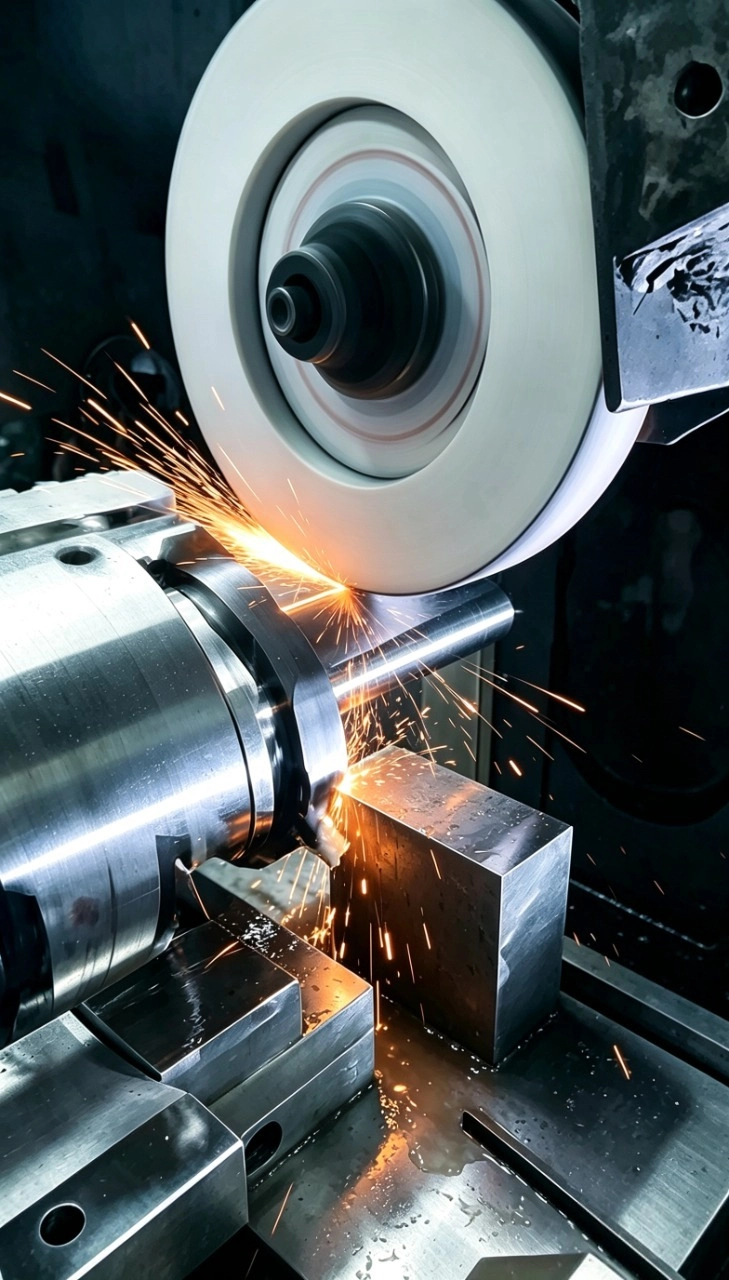
OD Grinding · ID Grinding · Centerless Grinding · Profile Grinding.Surface Grinding · Jig Grinding
Carbide punches, bushings, sleeves and precision components requiring controlled diameter and concentricity.
Precision grinding achieves tolerances down to ±0.002 mm for critical carbide components.
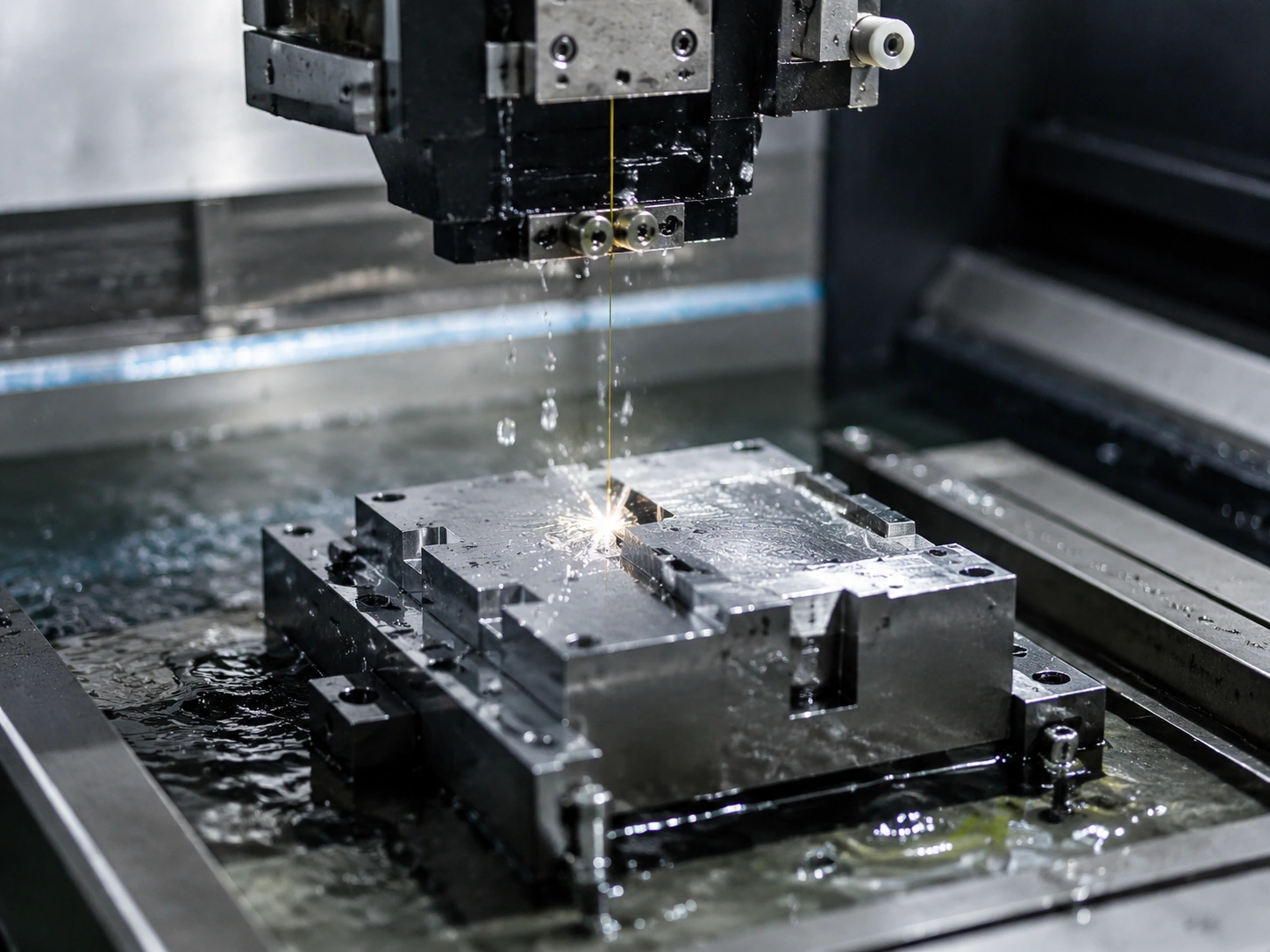
Complex Profiles · Narrow Slots · Precision Contours
Custom carbide tooling, stamping dies, and intricate internal shapes impossible to reach with rotary tools.
Precision Wire EDM machining achieves complex profiles, narrow slots, and tight tolerances for difficult-to-machine carbide components.
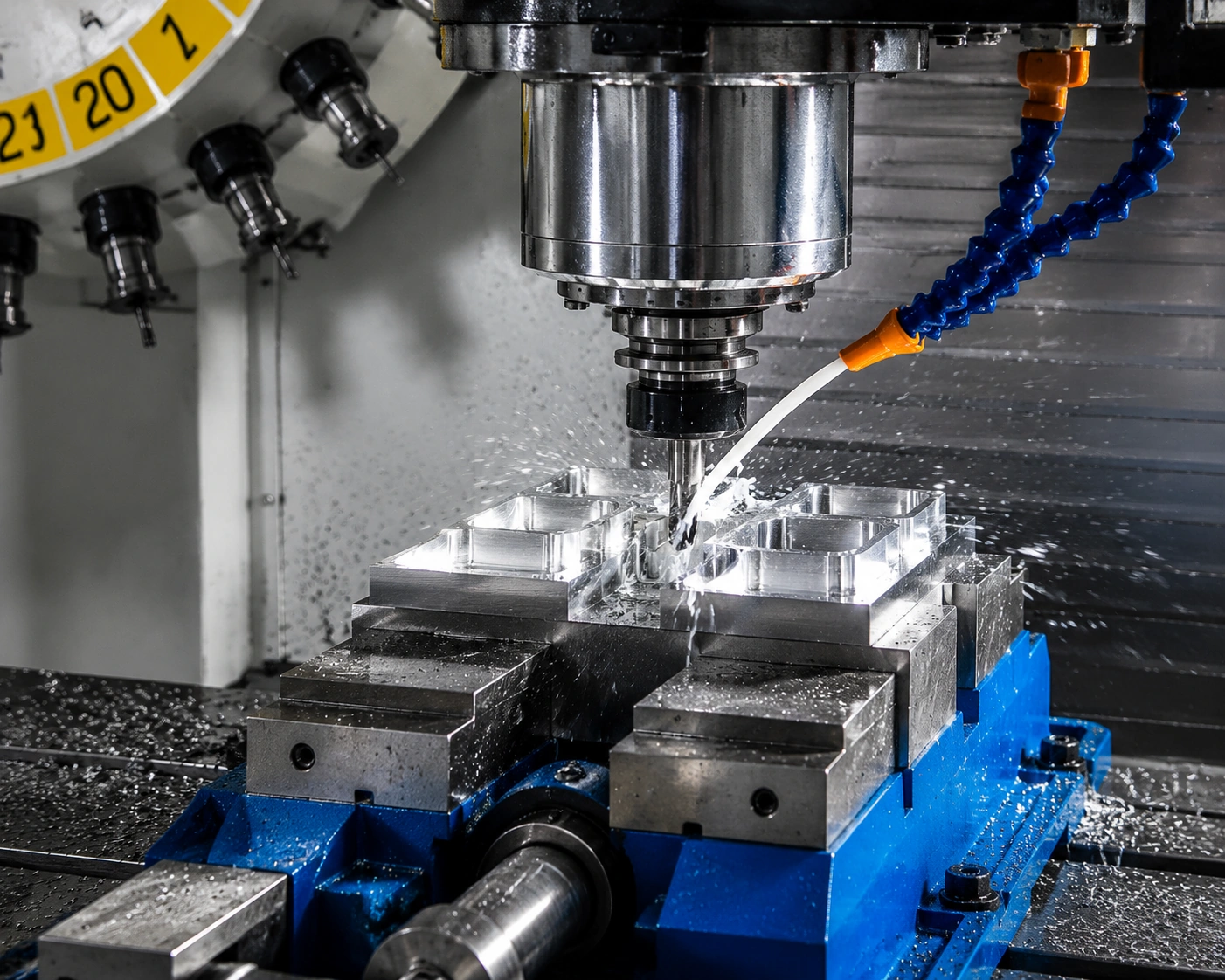
CNC Milling · CNC Turning · Prototype Machining
Machining of pre-machined carbide blanks, tooling components, and precision metal fixtures.
Multi-axis CNC machining supports complex features, prototypes, and precision tooling components.
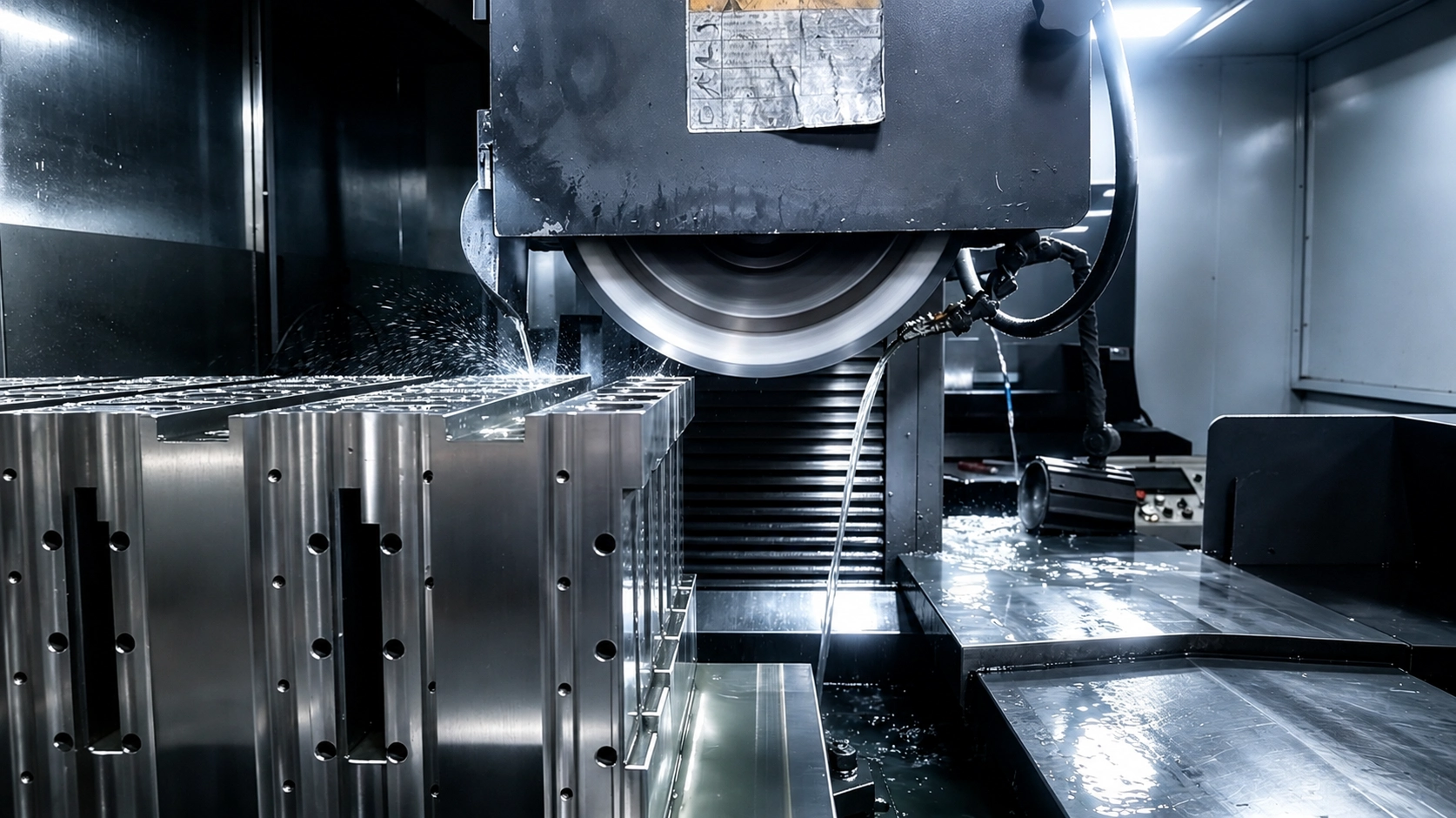
Flat Grinding · Thickness Control · Parallelism Control · Precision Face Grinding
Carbide plates, wear blocks, mold inserts, die components and rectangular precision parts.
Precision surface grinding achieves tight thickness tolerances, flatness, parallelism and consistent surface finishes on carbide plates, inserts and wear components.
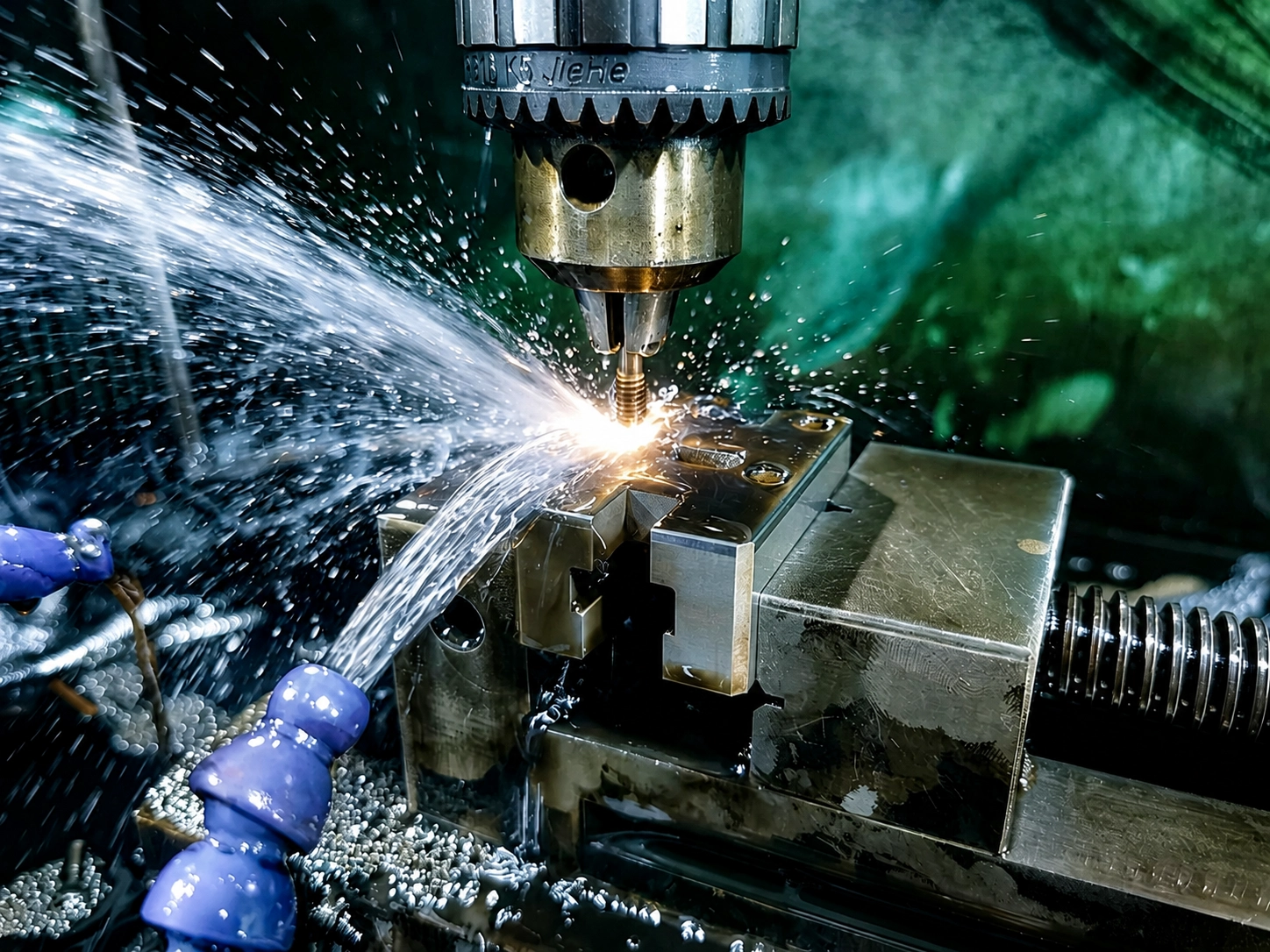
Precision Drilling · Reaming · Counterboring · Countersinking · Rigid Tapping · Thread Milling
Pre-machined carbide blanks, carbide-steel parts, tool holders and fixtures requiring accurate holes and internal threads.
Accurate control of hole position, diameter, depth, thread pitch and alignment for through holes, blind holes and threaded features.
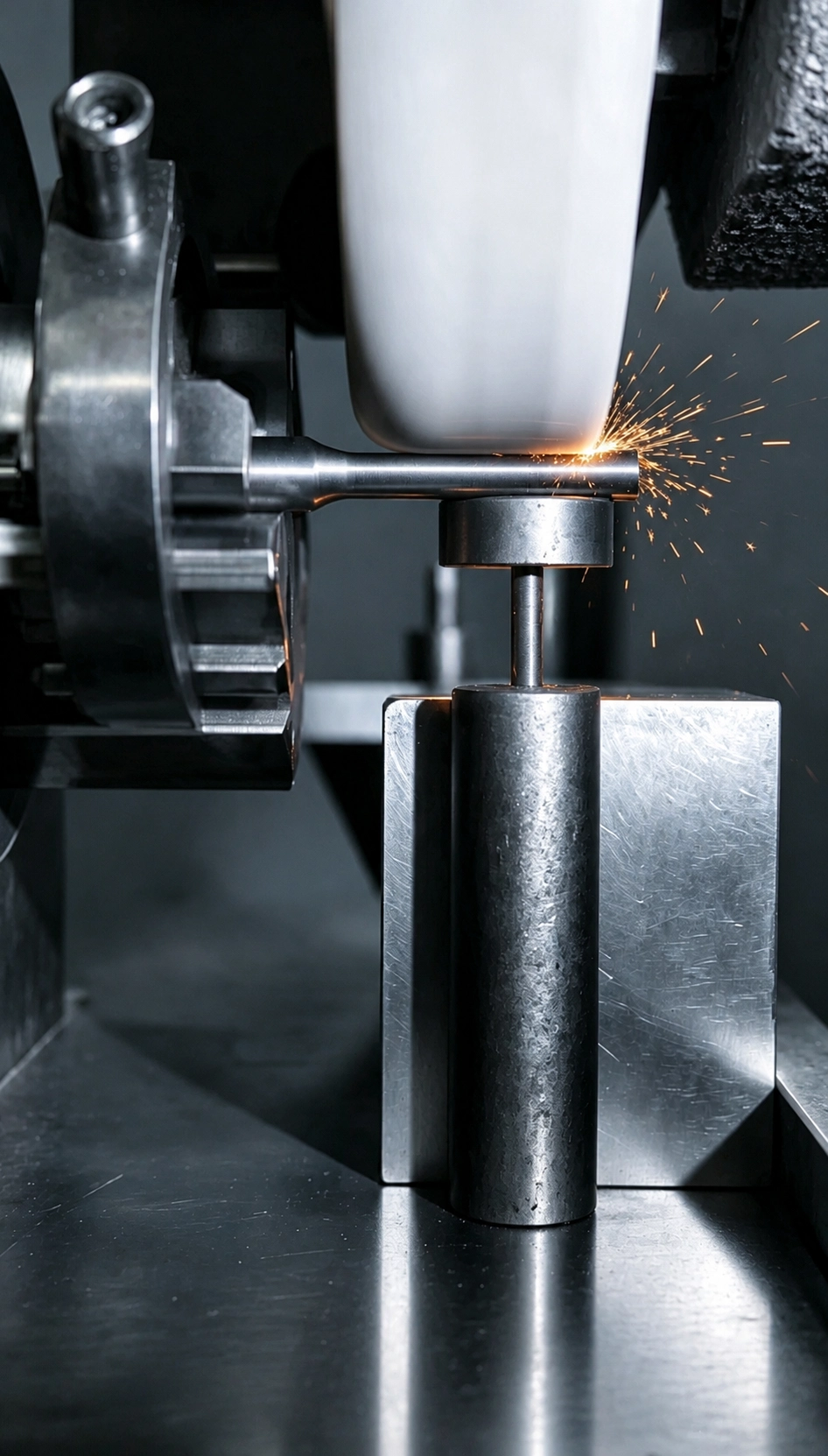
OD Grinding · Plunge Grinding · Step Grinding · Radius and Shoulder Grinding
Carbide punches, core pins, stepped shafts, precision pins and cylindrical components with multiple diameters.
Cylindrical profile grinding produces stepped diameters, shoulders, radii and complex external contours with precise control of size, roundness and concentricity.
Send your drawing, CAD file, carbide grade, required quantity and tolerance requirements. Our engineering team will review the part structure and recommend a suitable machining route.
Goray Carbide machines custom tungsten carbide parts according to your drawings, samples, or technical requirements. From prototypes to repeat production, we support complex geometries, tight tolerances, and demanding surface finishes.
Custom carbide machining experience for tooling, wear, mold, gauge, and precision components.
Parts are manufactured according to customer drawings, samples, tolerance requirements, and operating conditions.
Grinding, Wire EDM, EDM, and CNC machining are combined for micro holes, precision profiles, slender parts, and non-standard geometries.
Flexible support for sample validation, small-batch orders, and stable repeat production with consistent dimensional control.
Supporting OEM buyers, tooling manufacturers, engineering teams, and industrial distributors across Europe, North America, and Asia.
Project experience across automotive, tooling, electronics, packaging, mold manufacturing, and industrial wear applications.
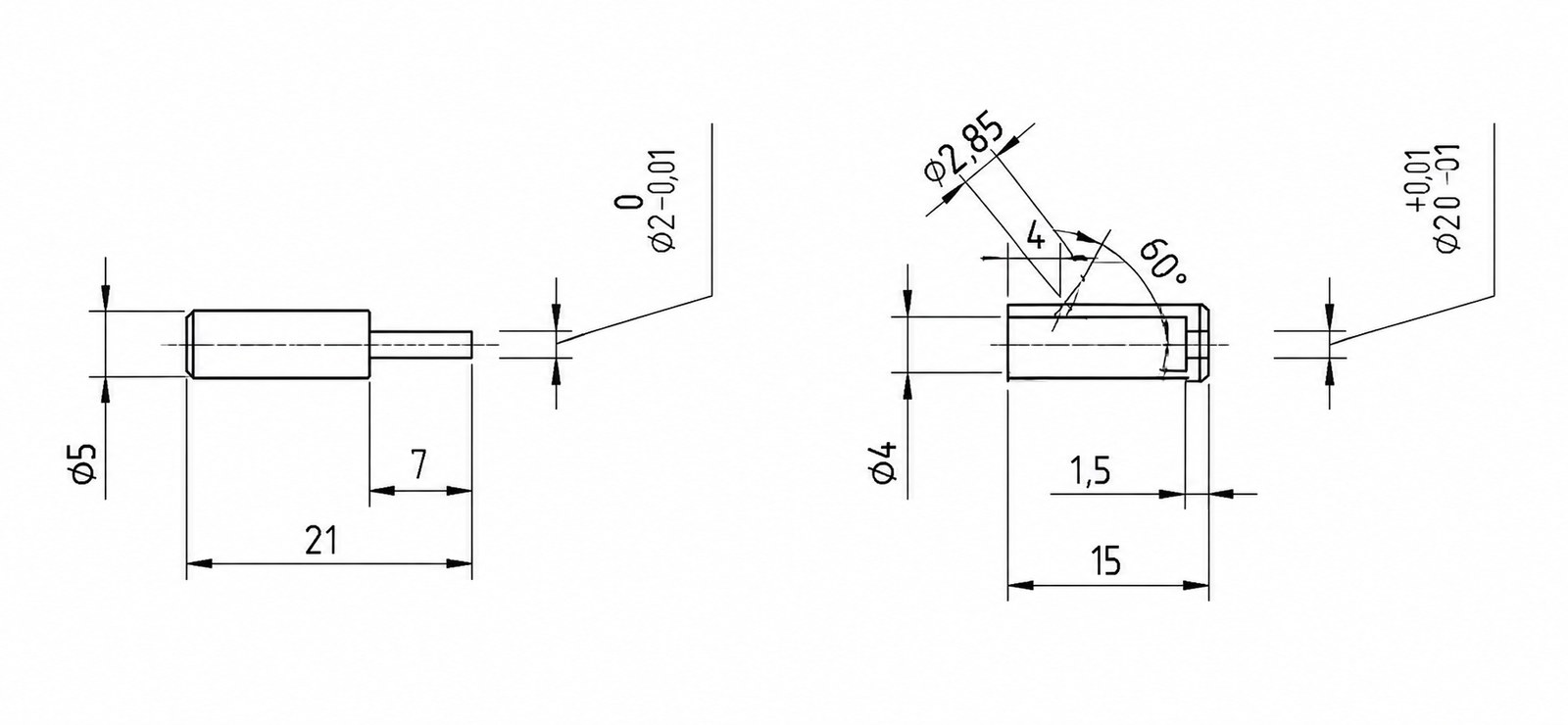
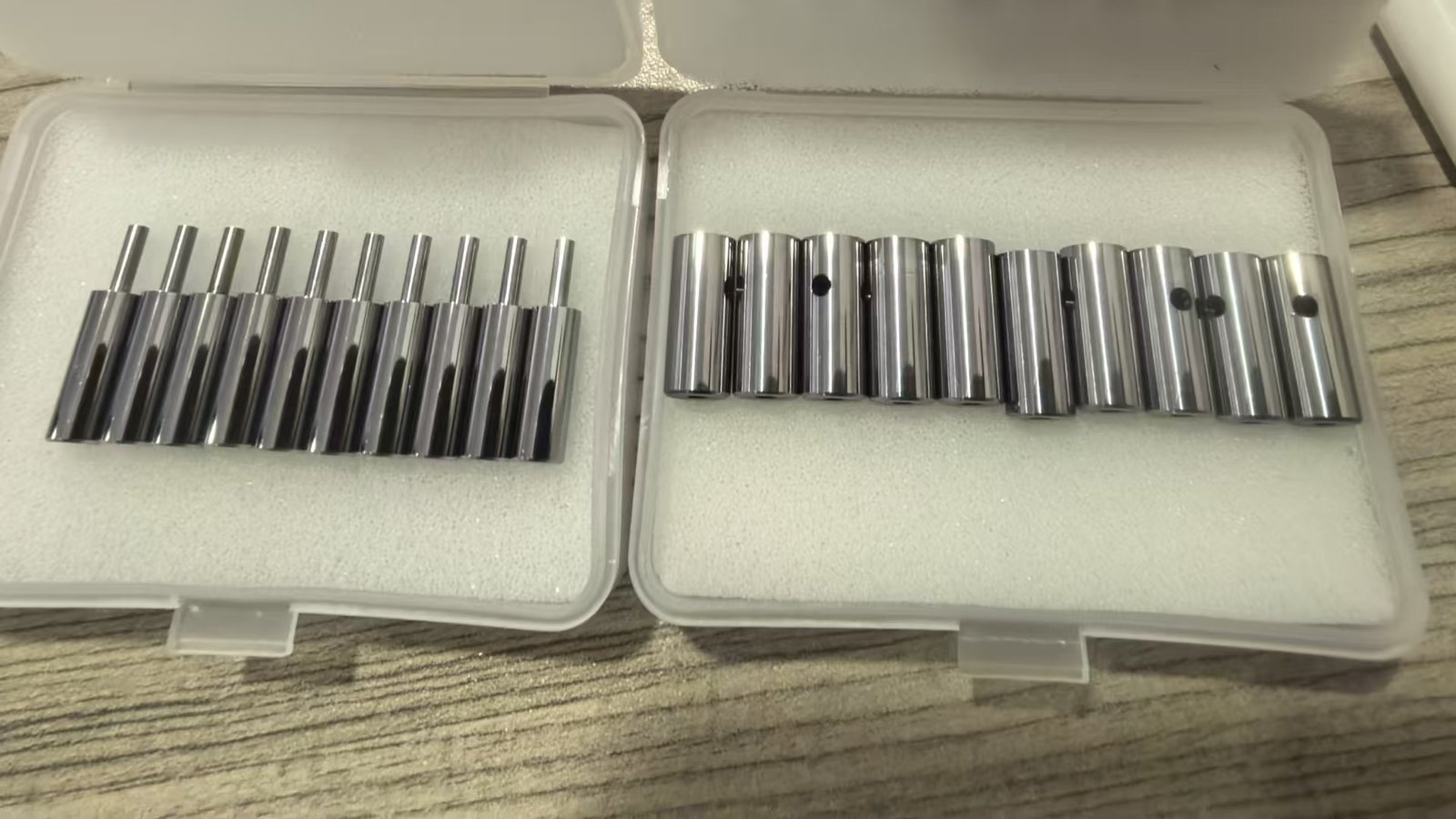
One drawing. One finished part. Manufactured to your technical requirements.
Our workflow ensures that inspection requirements are agreed upon before quotation, prototype approval occurs before mass production, and repeat orders are produced against approved specifications.
Drawing or sample submission followed by engineering, manufacturability, and feasibility review.
Carbide grade selection and detailed process route planning (Grinding, EDM, CNC).
Executing precision machining, grinding, and surface finishing according to the approved plan.
Final dimensional inspection followed by sample approval or full batch shipment.
Before machining begins, our engineers review your drawing or sample for carbide grade, critical tolerances, part geometry, grinding and EDM feasibility, process sequence, and inspection requirements. This helps reduce chipping risks, dimensional variation, and avoidable rework.
The Situation: A customer provides a drawing for a slender carbide punch, but the length-to-diameter ratio, sharp shoulder transitions, and working-end tolerances present severe risks of deflection and chipping during grinding.
Goray Support: Through our DFM drawing review, we suggest adding specific radii (corner breaks), plan a staged grinding sequence to minimize stress, and agree on specific inspection points. This resolves the manufacturing risk before production begins.
The Situation: A buyer only has a worn carbide replacement part from a legacy machine and lacks a complete 2D or 3D drawing.
Goray Support: Available after sample evaluation, we can perform dimensional measurement and structural analysis on the worn component. While not all old parts can be perfectly reverse-engineered, we evaluate the replacement component feasibility and draft a working drawing for approval.
A selection of real carbide components manufactured according to customer drawings
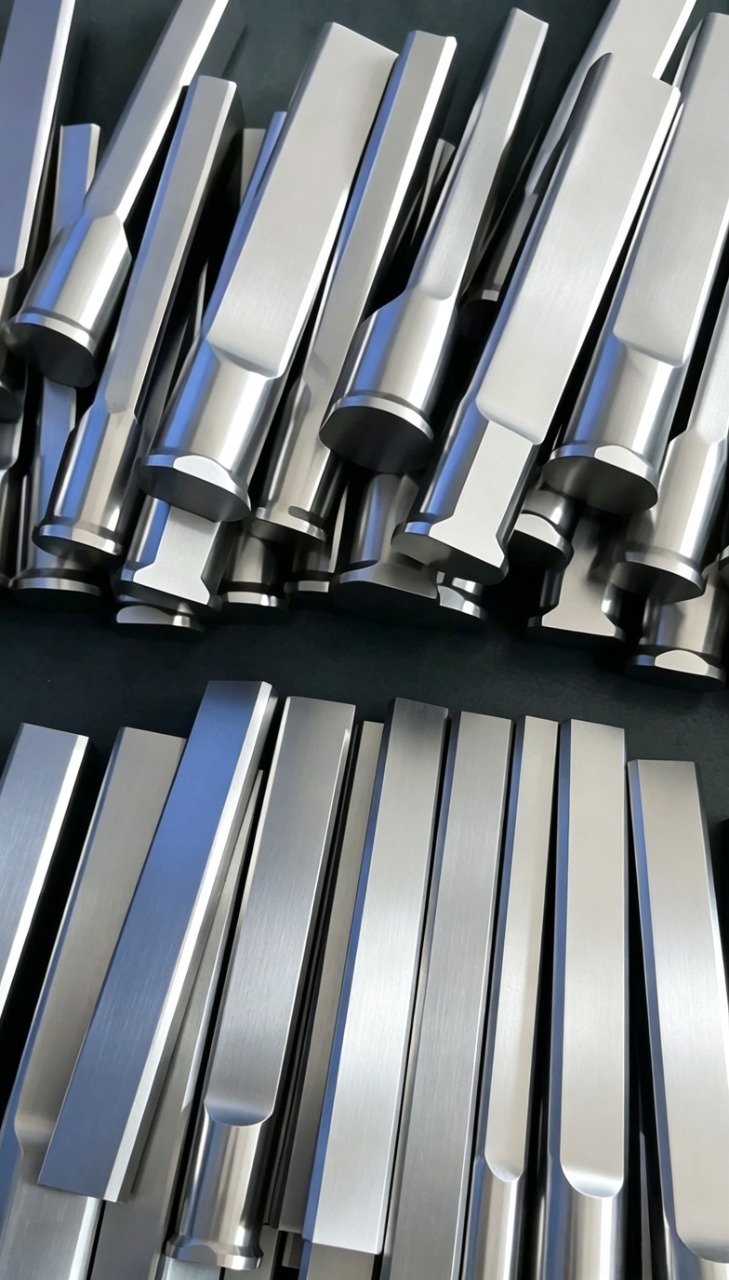
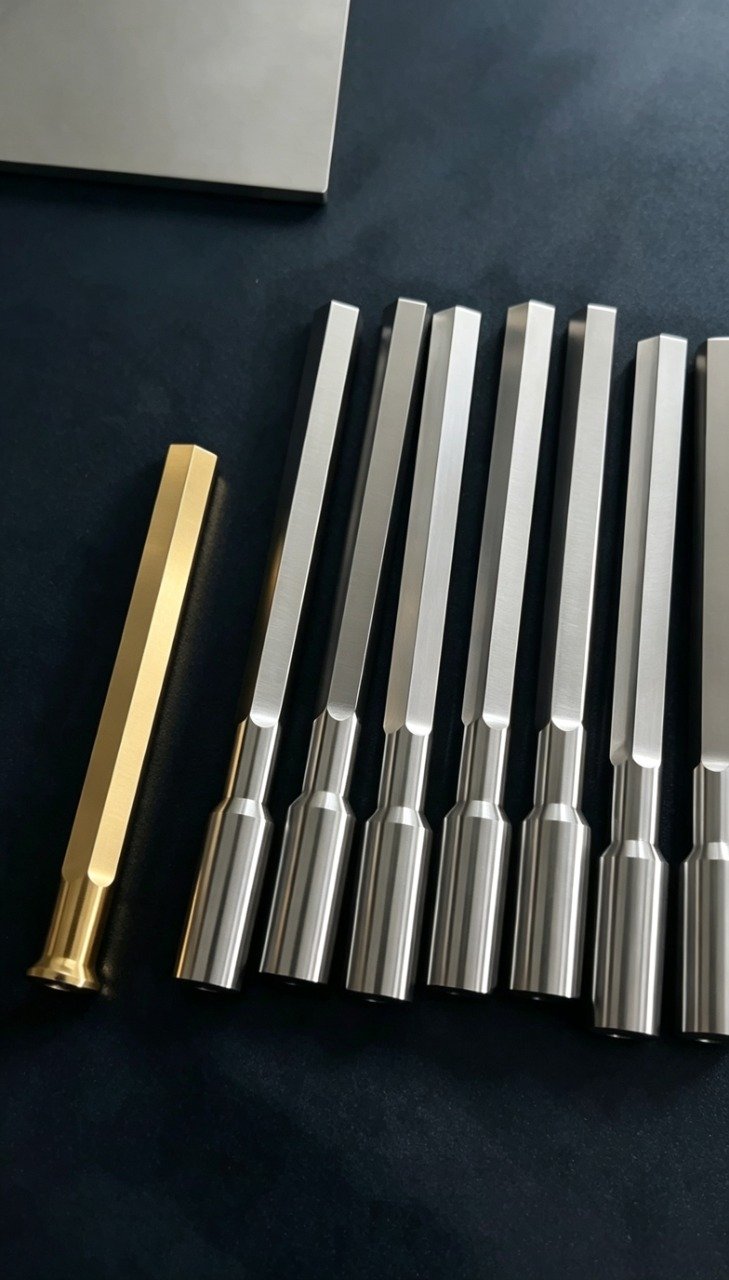
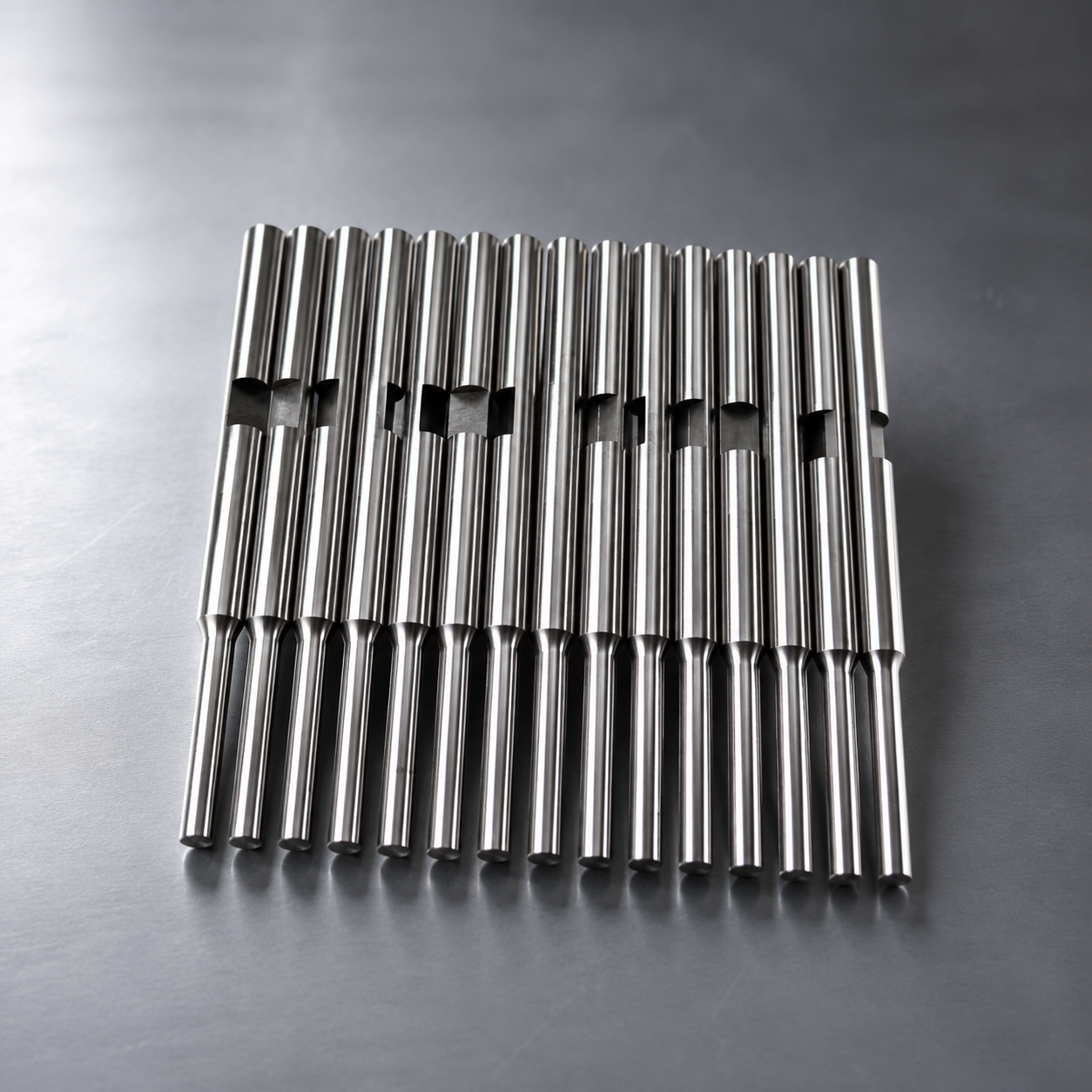
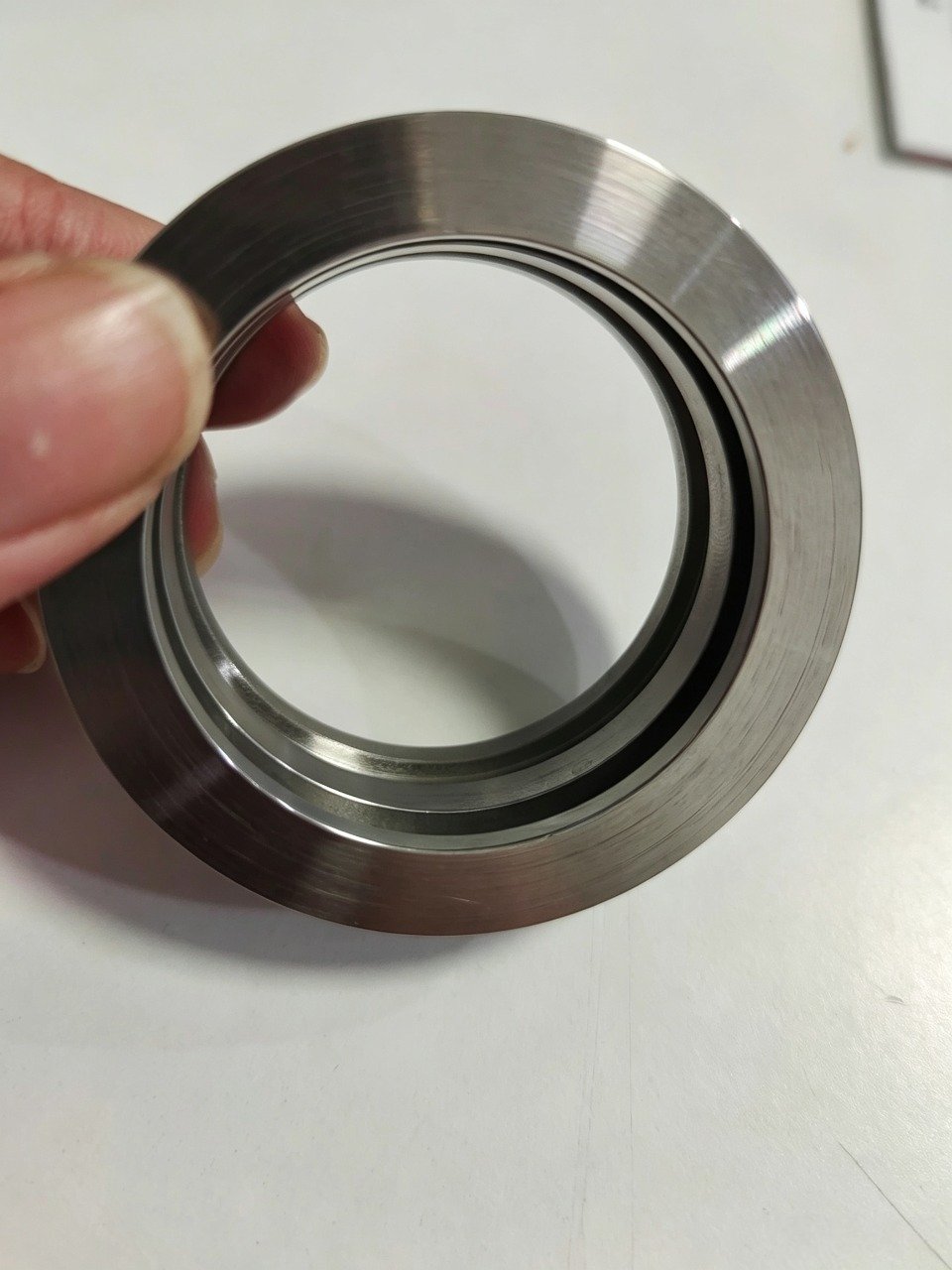
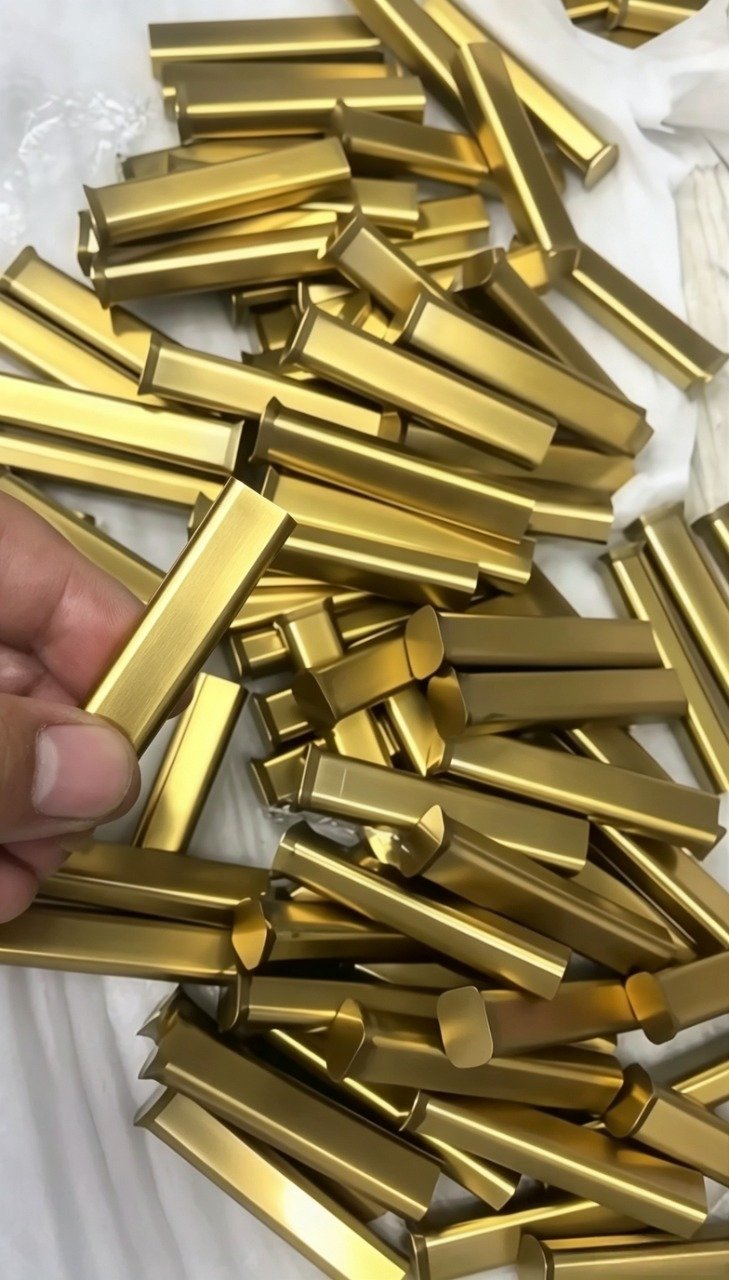
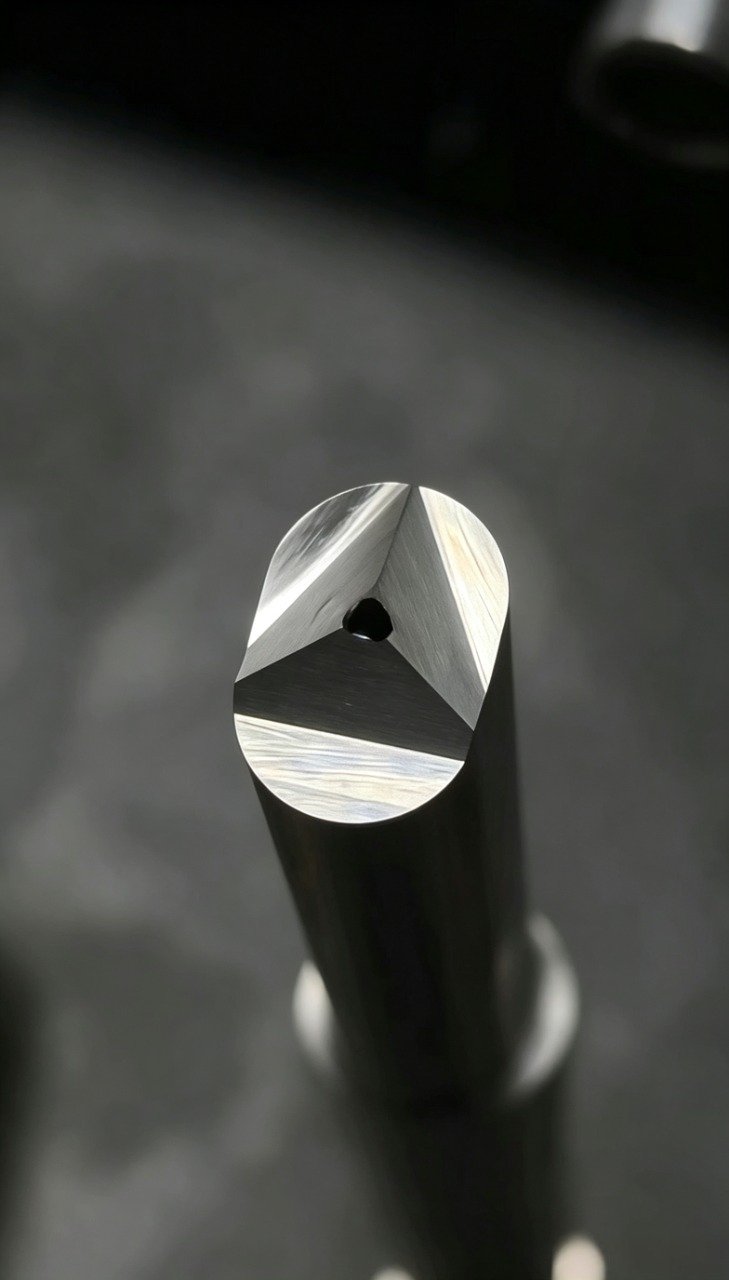
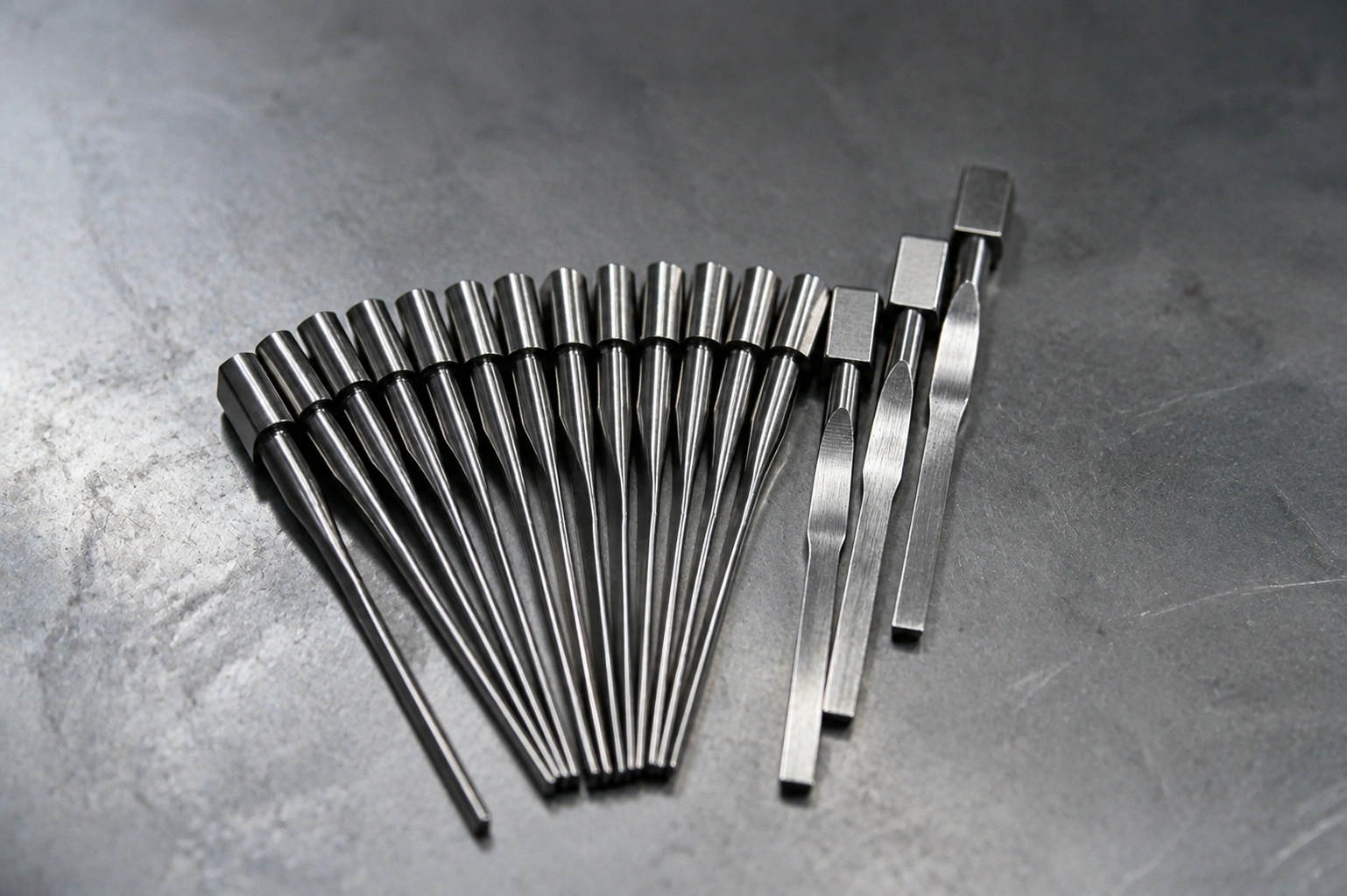
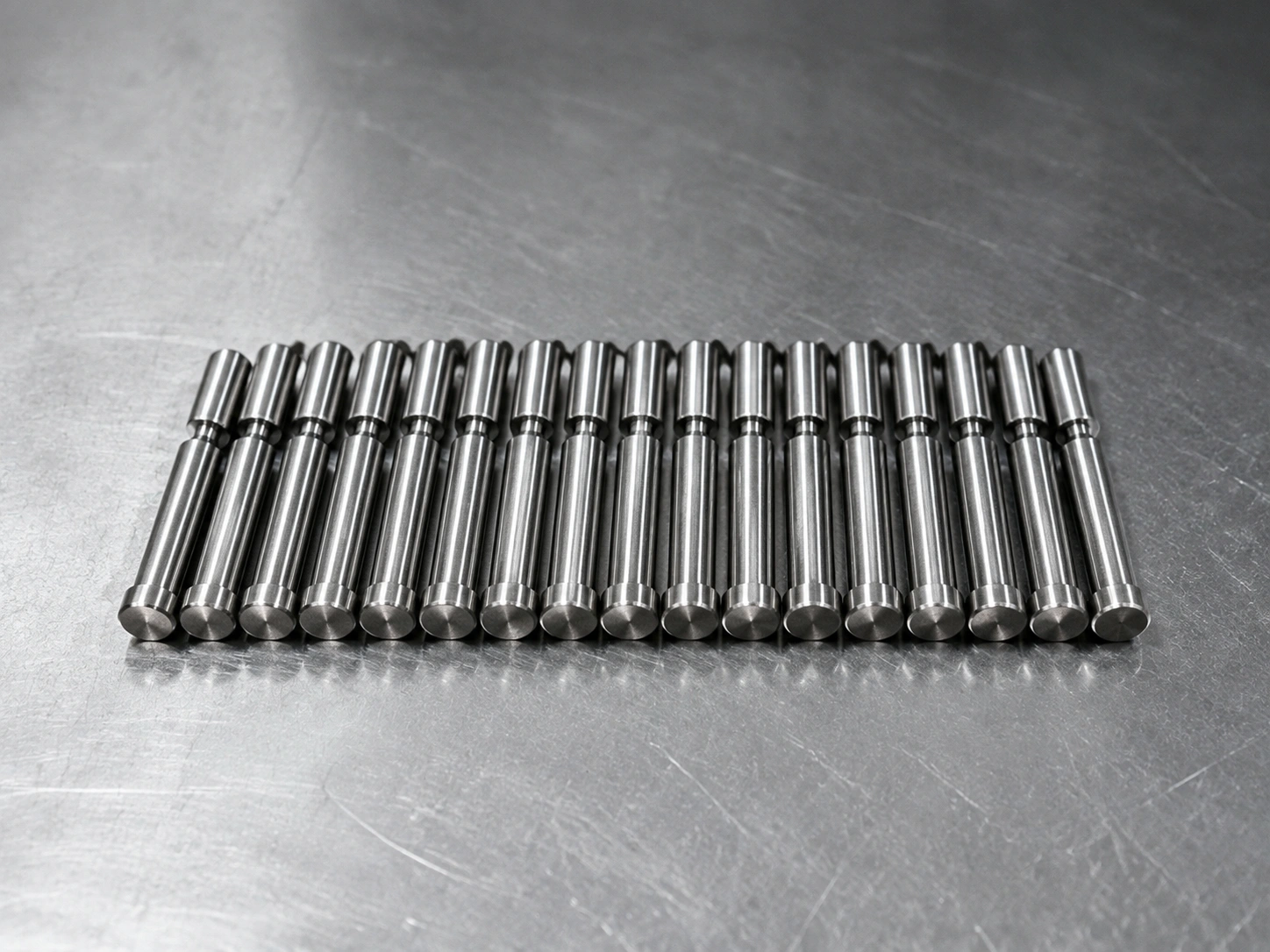
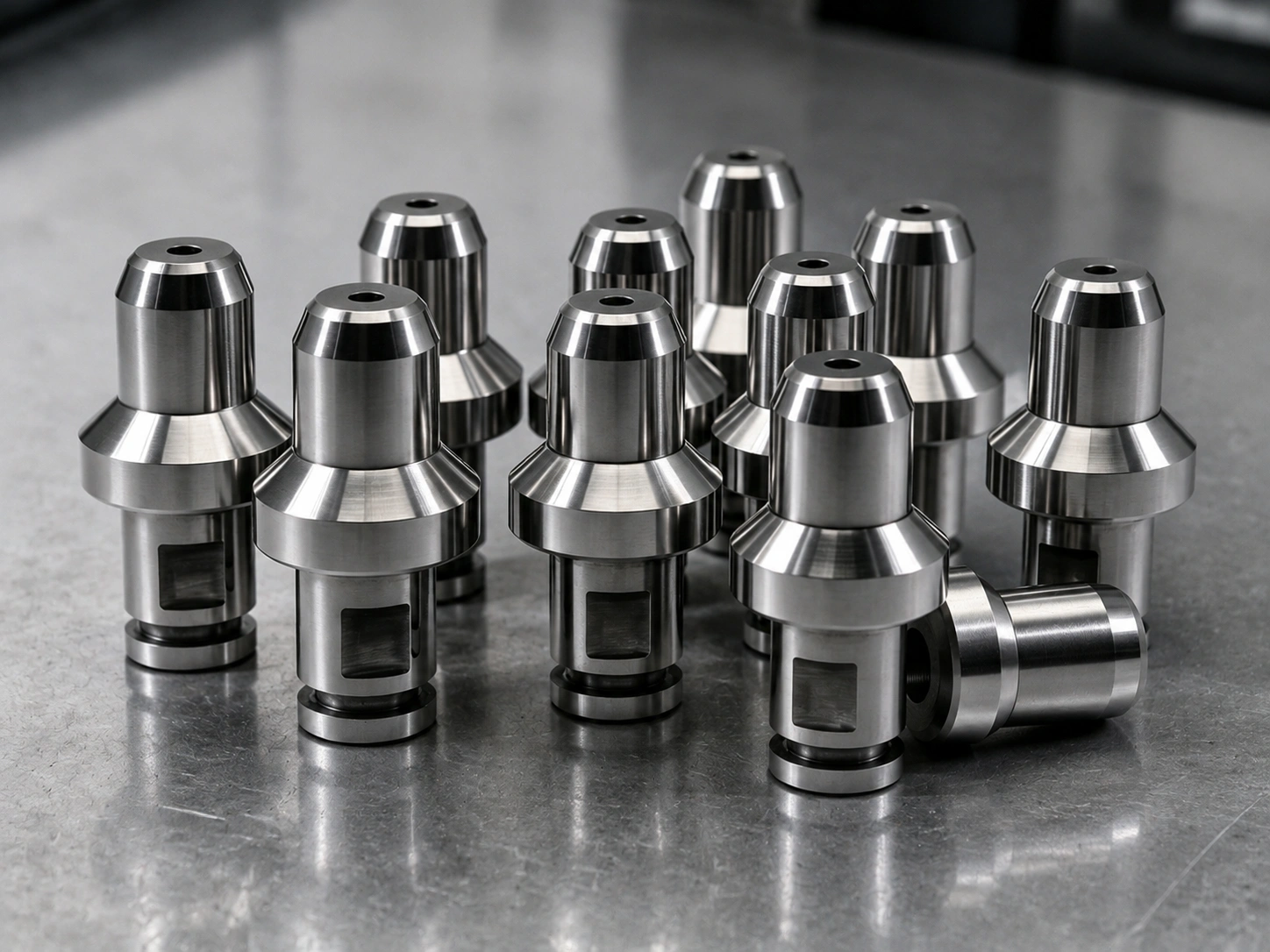
From CNC machining and Wire EDM to precision grinding and inspection, we manufacture custom tungsten carbide components with strict dimensional control.
Precision surface grinding achieves tight thickness tolerances, flatness and parallelism on carbide plates, inserts and wear components.
Precision OD grinding achieves accurate outside diameters, roundness, concentricity and fine surface finishes on carbide pins, punches, shafts and etc.
CNC precision turning produces concentric diameters, shoulders, grooves and other rotational features on carbide blanks and carbide-steel components.
Internal grinding delivers precise bore dimensions, concentricity and fine internal surface finishes on carbide components.
Precision surface finishing improves surface roughness, edge quality and dimensional consistency on carbide components.
combines Wire EDM and profile grinding to produce intricate contours, narrow slots, stepped diameters and precision transitions.
CNC drilling and tapping produce accurately positioned holes and internal threads with controlled depth, pitch and alignment.
Precision surface grinding controls thickness, flatness, parallelism and surface finish on carbide strips, plates and precision components.
Enables precise machining of complex cavities, deep features and intricate geometries in hardened tungsten carbide without cutting force, ensuring excellent accuracy.
The values below represent our general machining capabilities. Final tolerances depend on part size, geometry, carbide grade, feature accessibility, and inspection requirements.
| Capability | Typical Range or Limit | Relevant Parts | Important Notes |
|---|---|---|---|
| Diameter | Ø0.3–300 mm | Punches, pins, bushings, rings | Depends on grinding equipment capacity and blank availability. |
| Part Length | 0.5–500 mm | Long punches, guide shafts, sleeves | Length-to-diameter ratio affects straightness and deflection risk. |
| Tolerance | As tight as ±0.002 mm | Precision gauges, mating components | Subject to part geometry, wall thickness, and inspection methods. |
| Surface Finish | Down to Ra 0.05 μm | Seal rings, sliding surfaces, optical molds | Achieved via secondary lapping and polishing processes. |
| Inspection | Dimensions, straightness, roundness, concentricity | All drawing-based custom parts | Documented against approved drawing requirements. |
| Production | Prototype, trial batch, repeat production | OEM projects, maintenance replacements | Sample approval is recommended before mass production. |
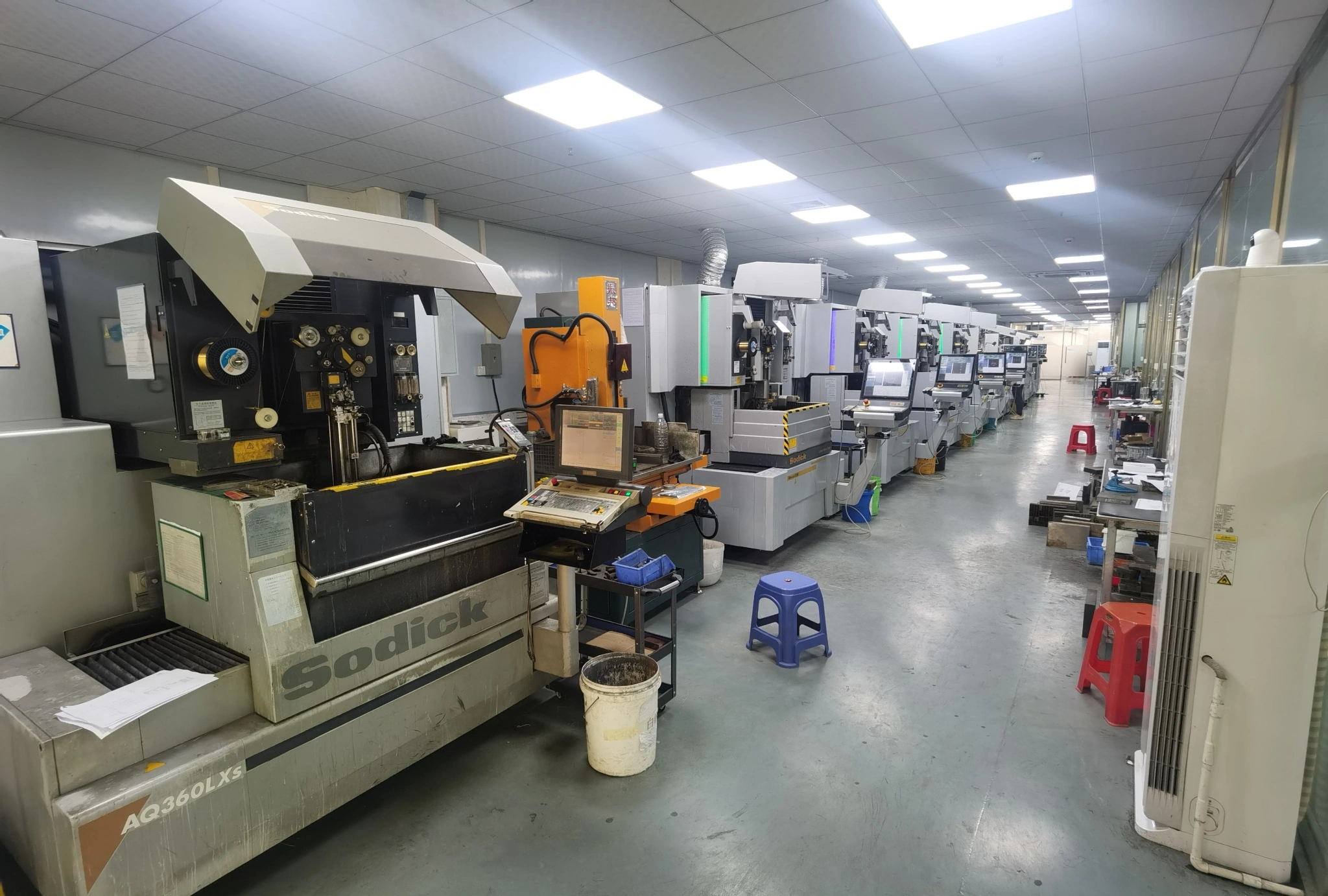
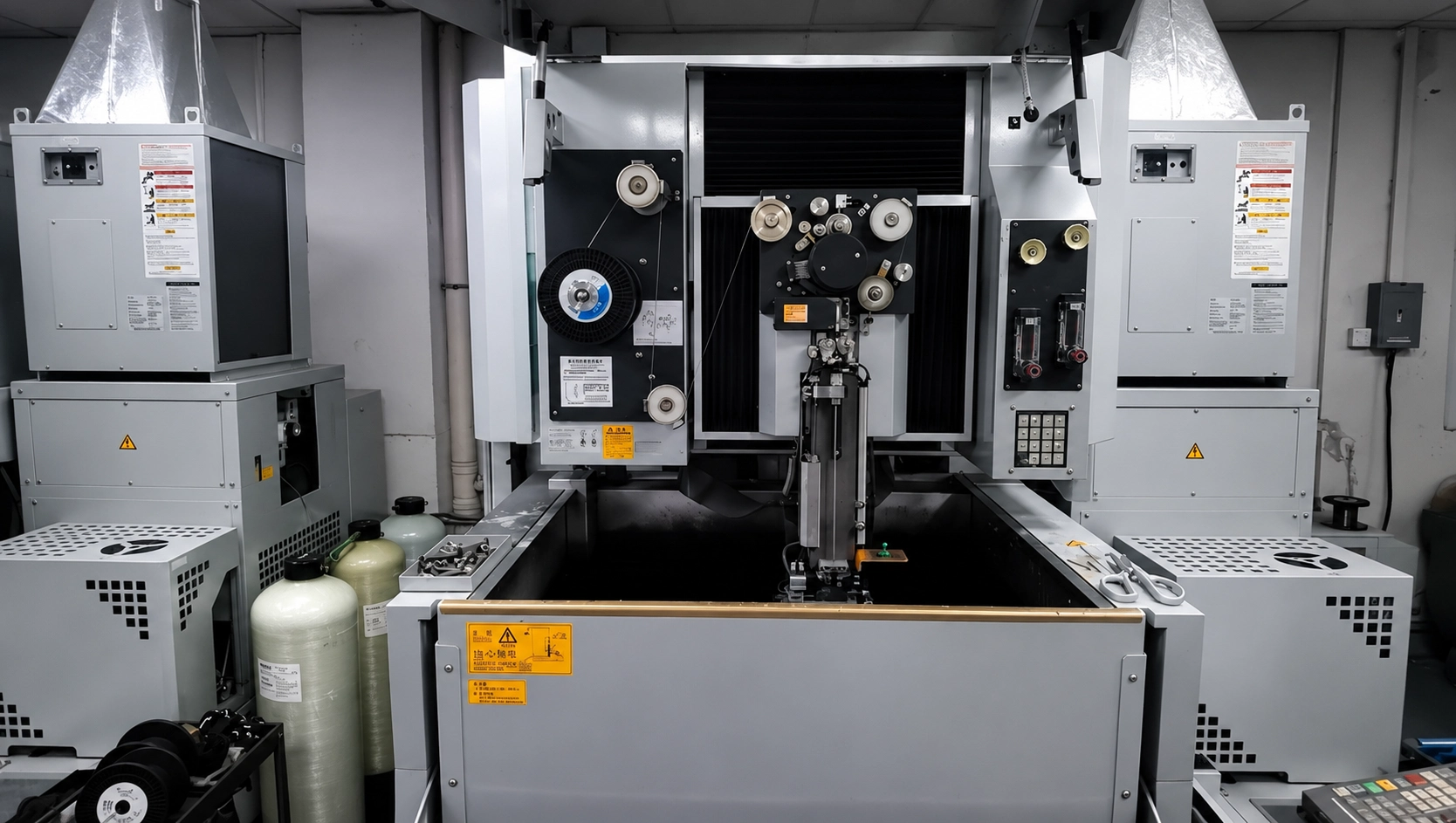
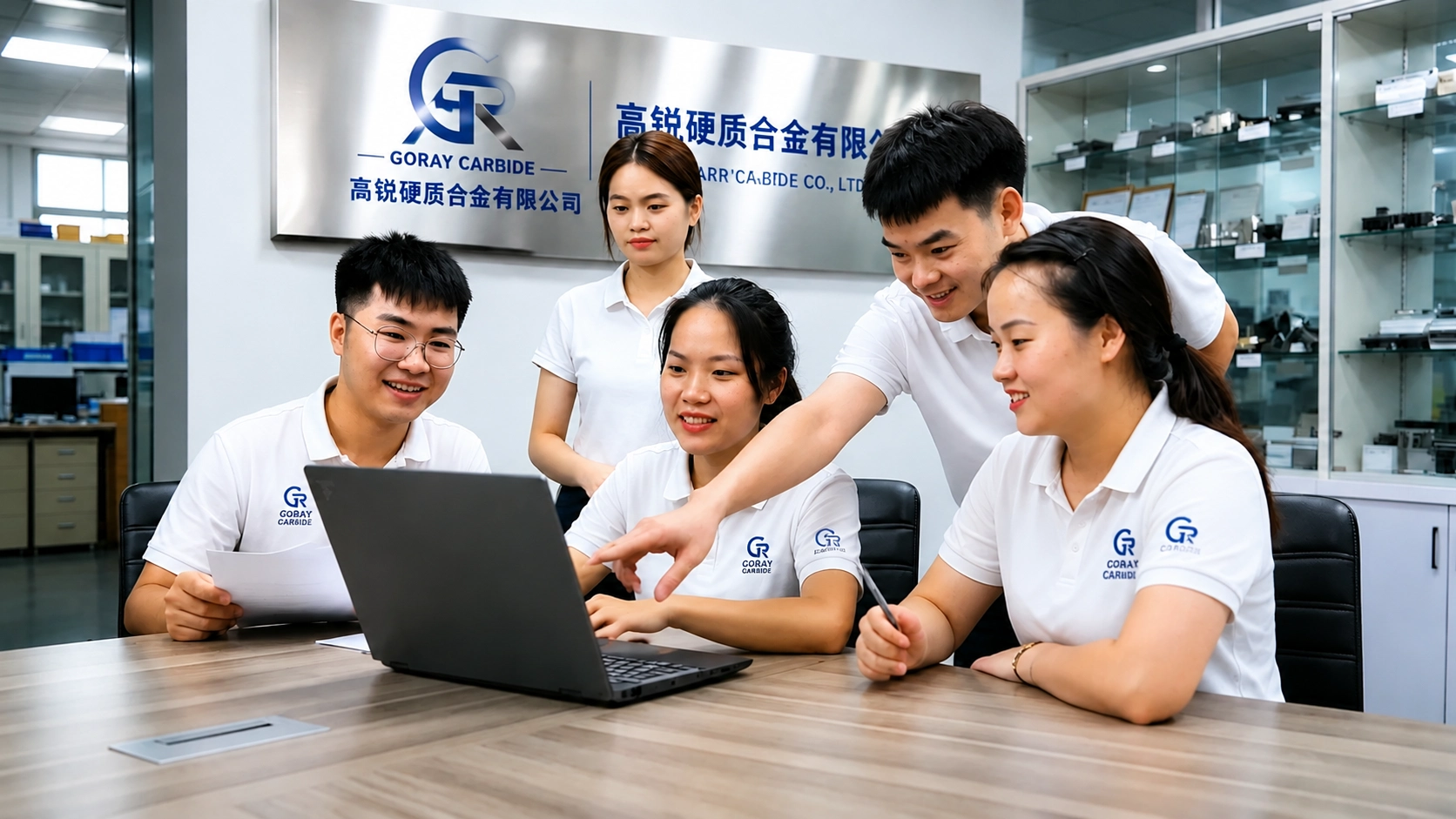
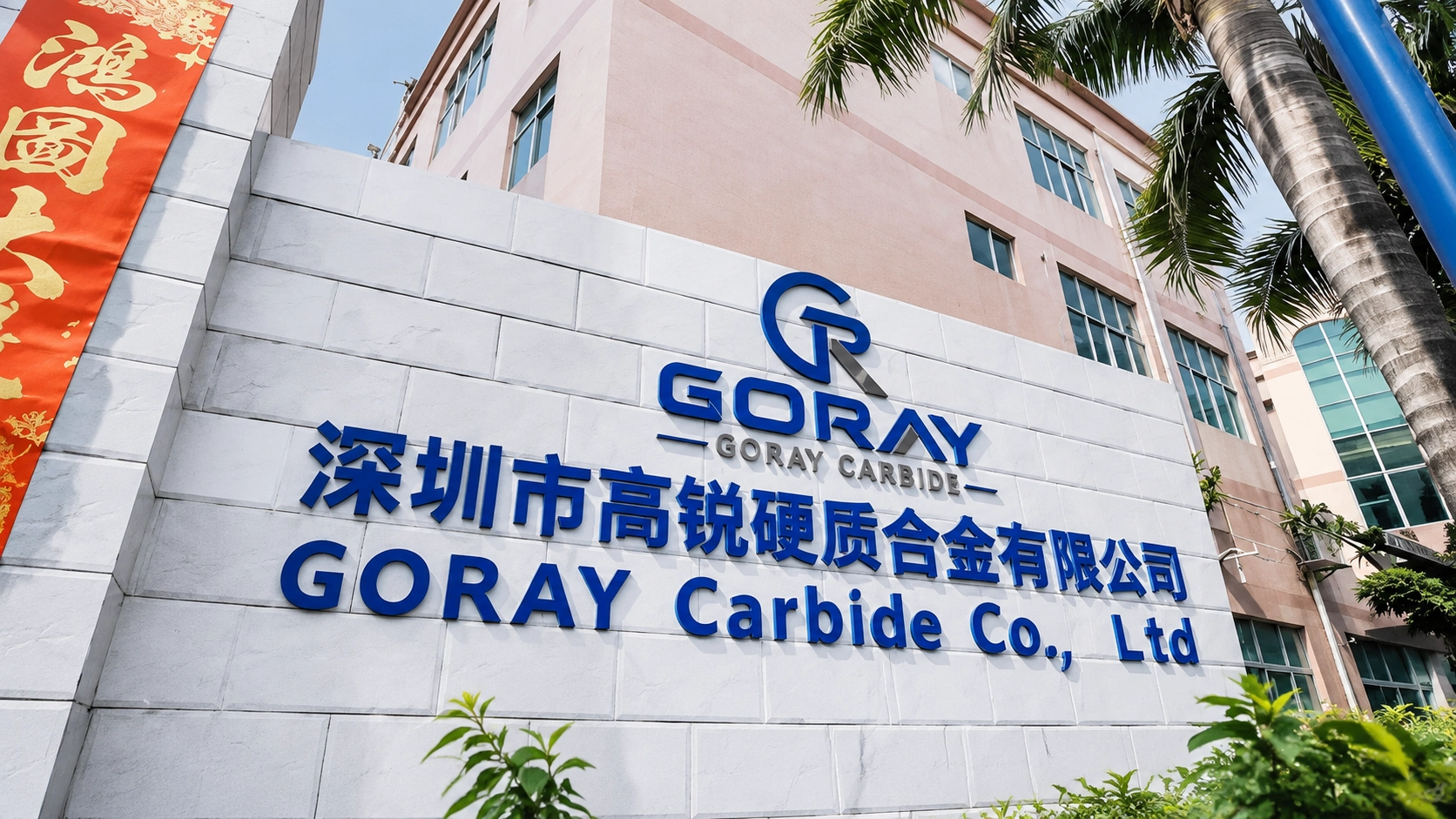
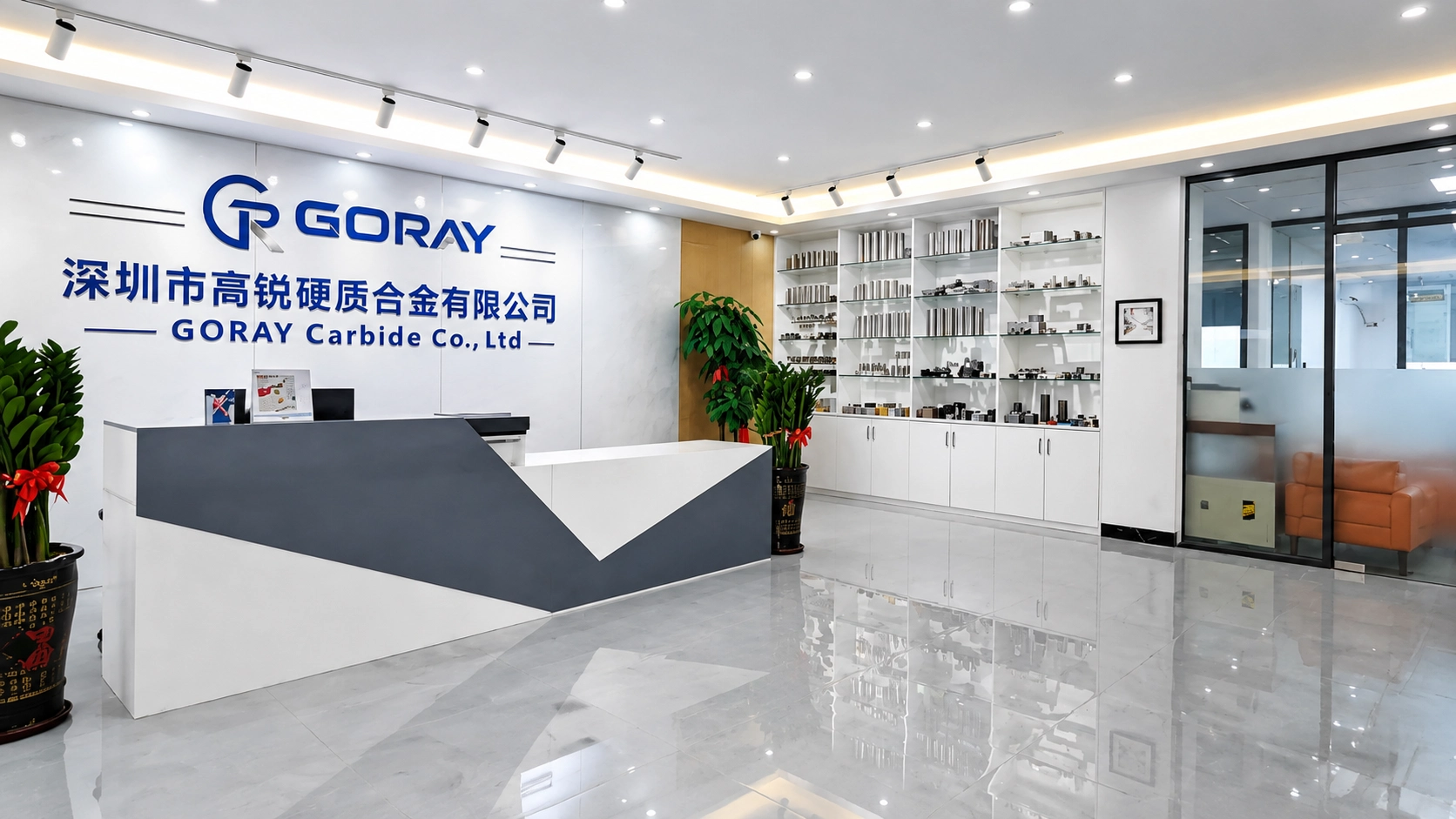
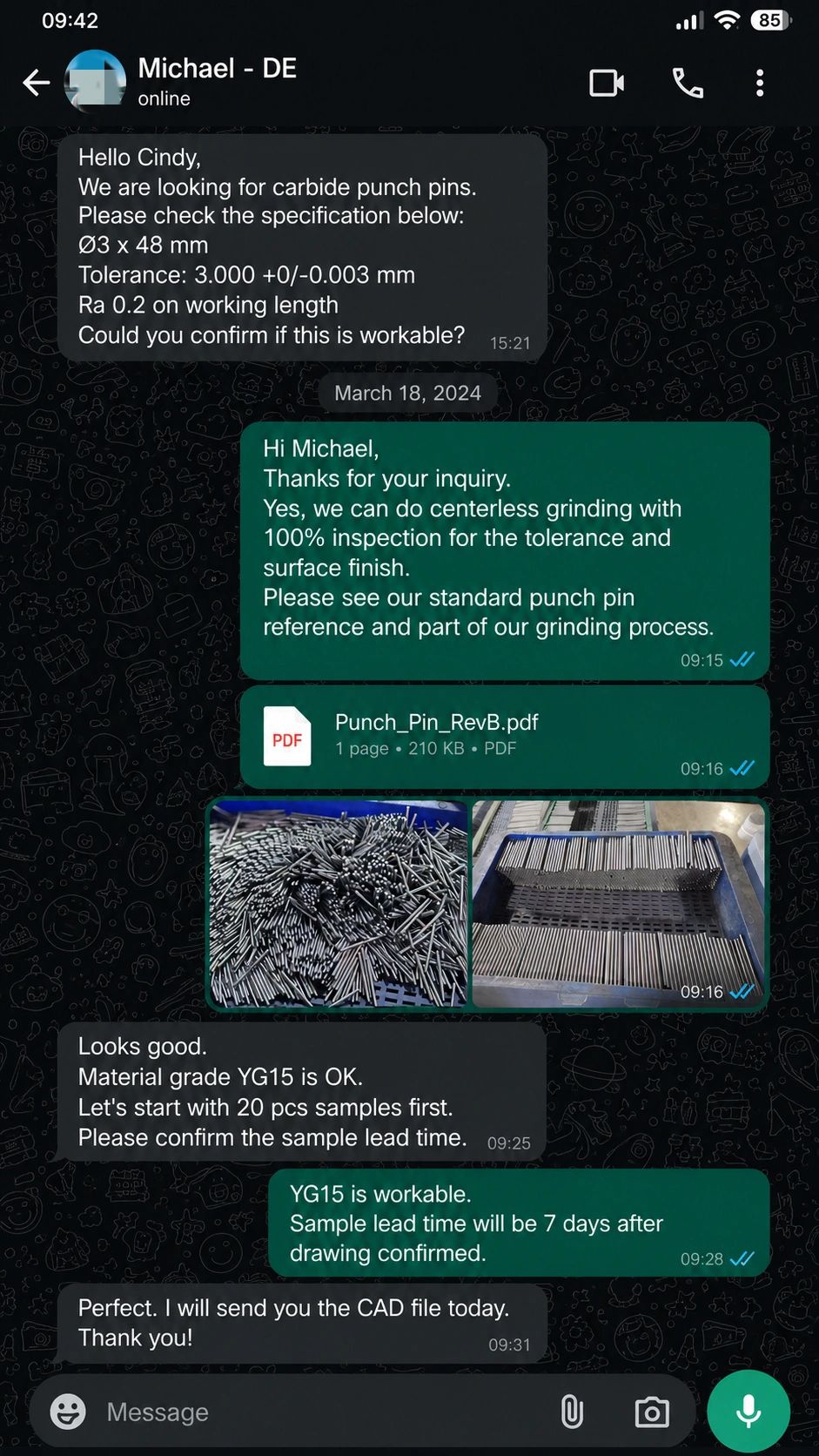
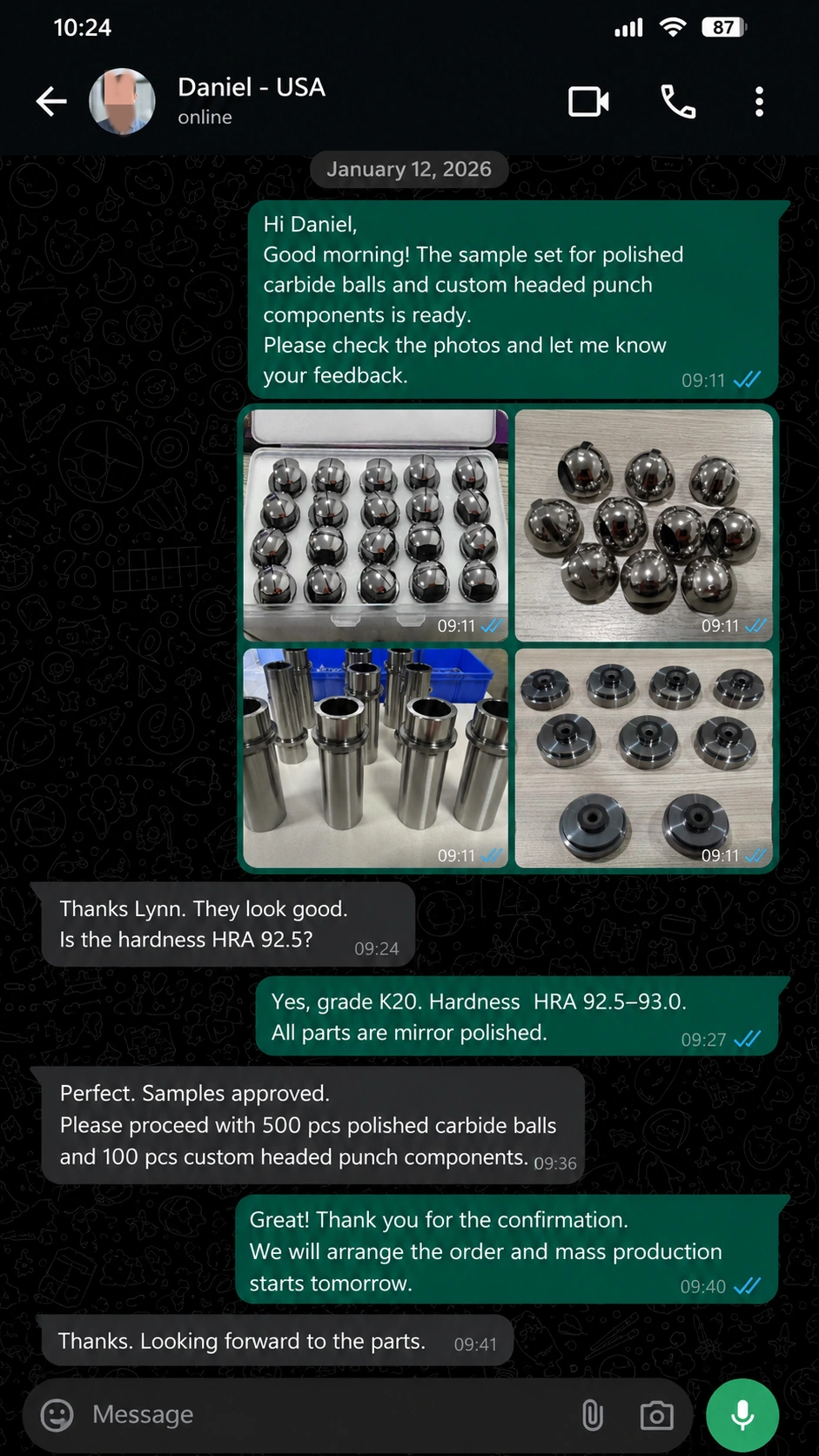
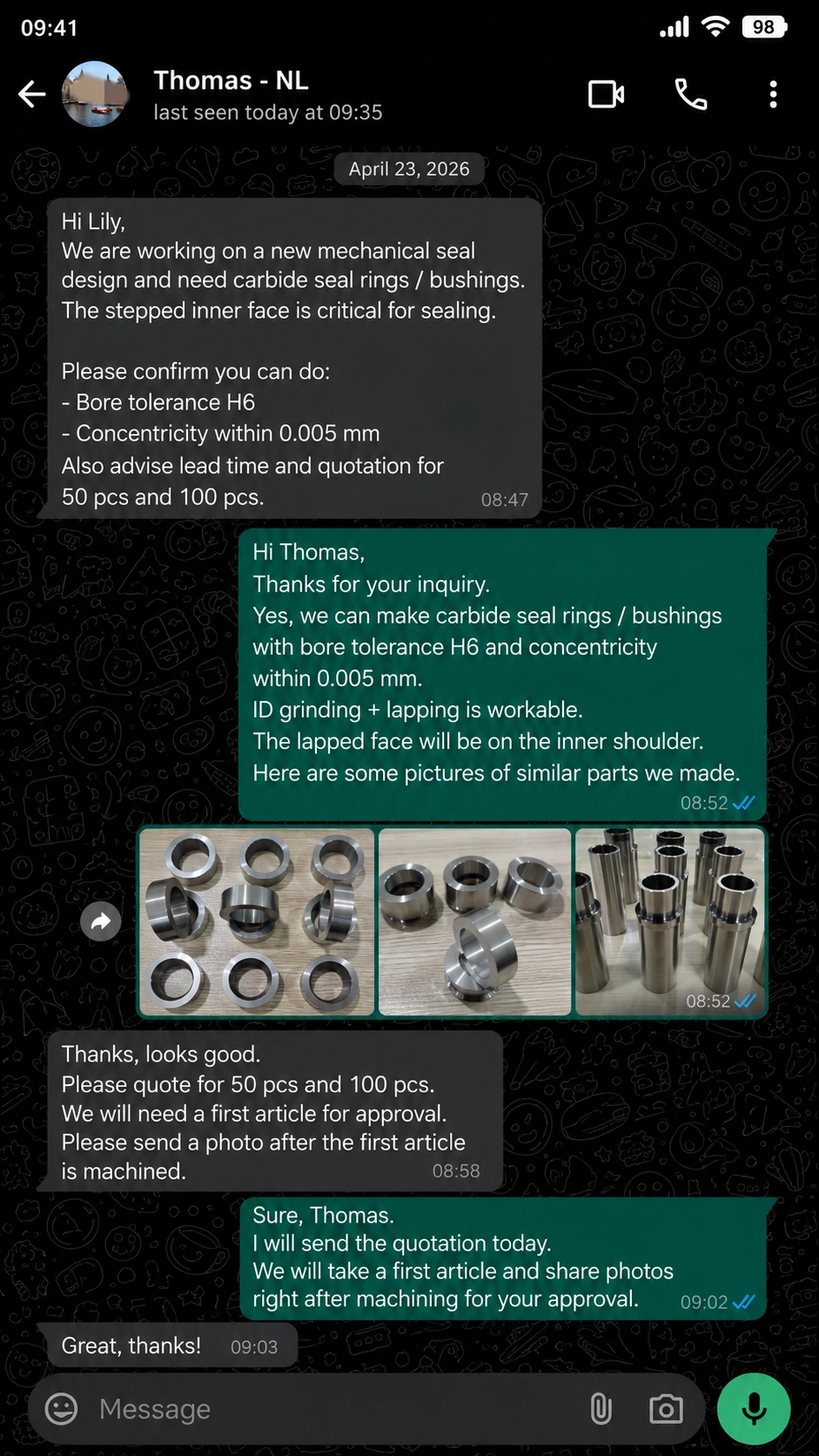
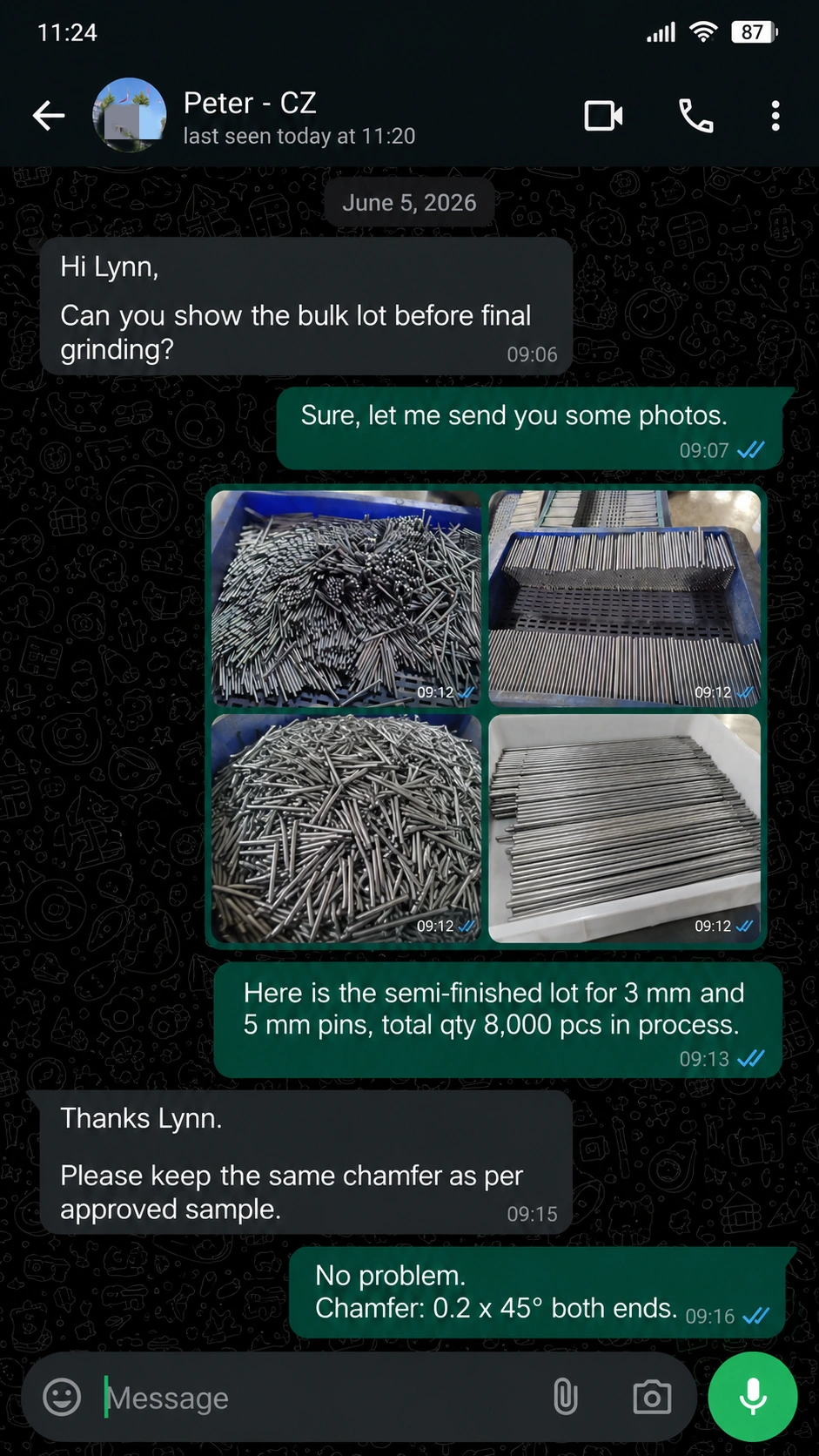
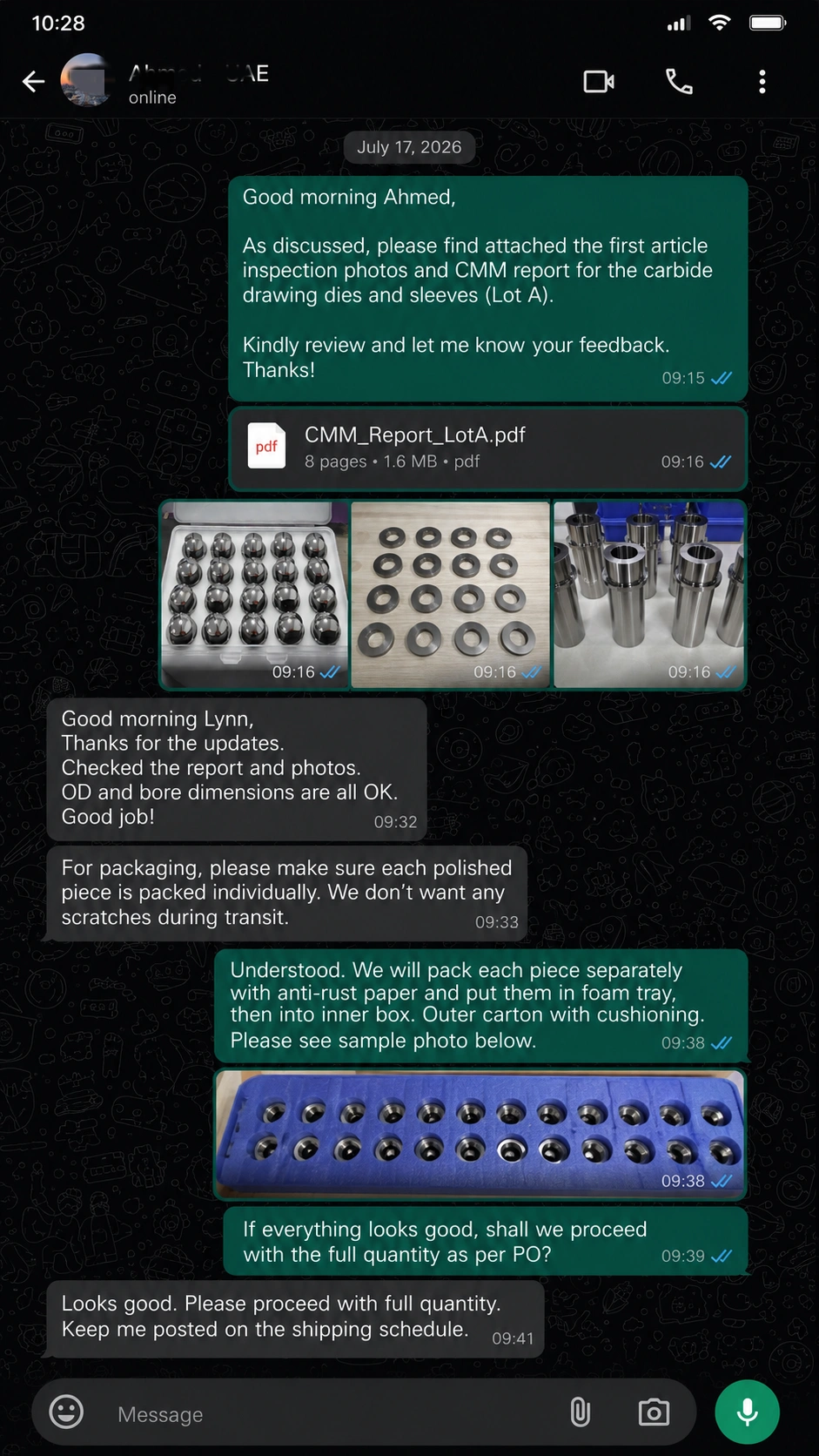
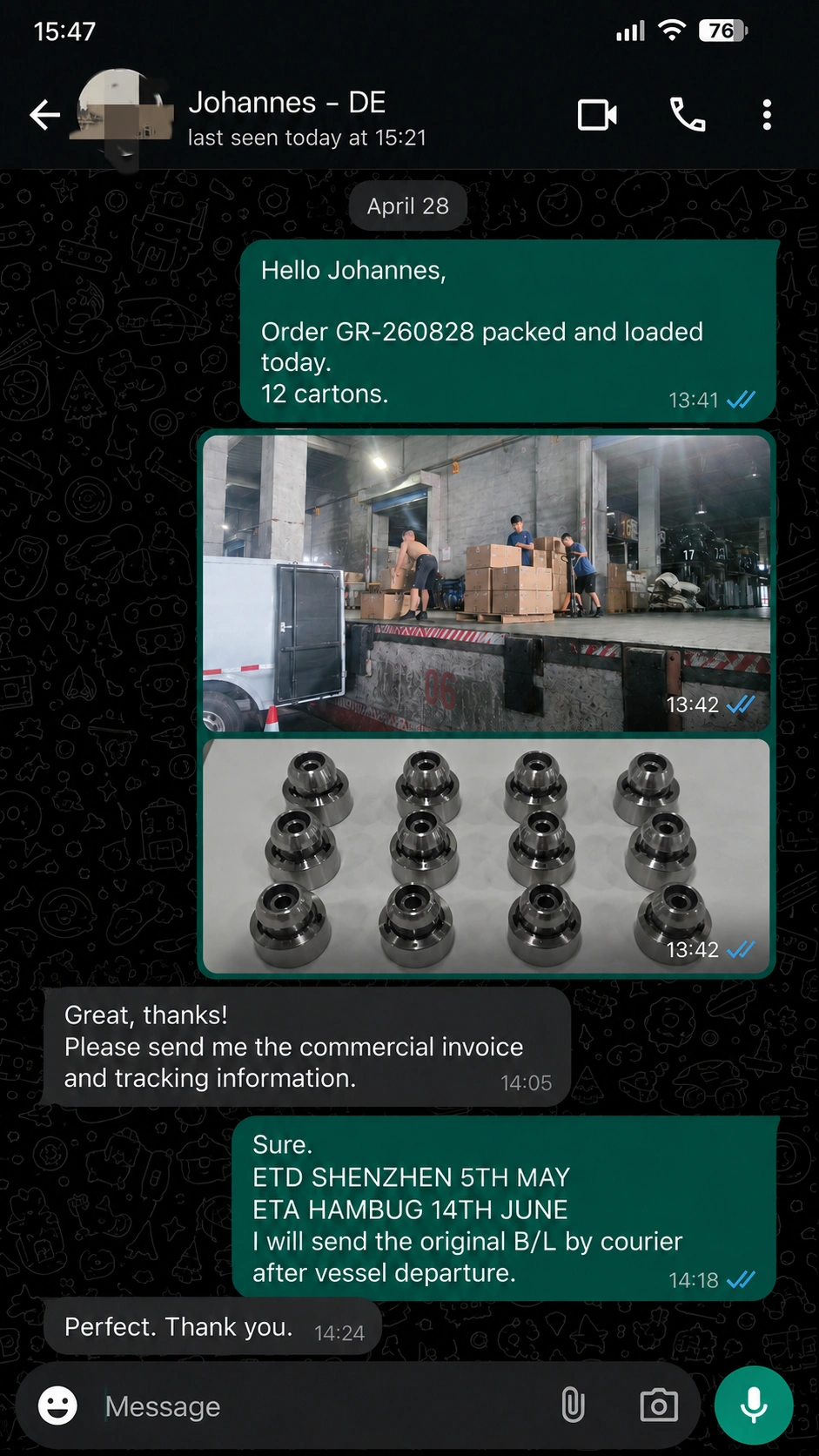
Ready to experience the same level of quality and service?
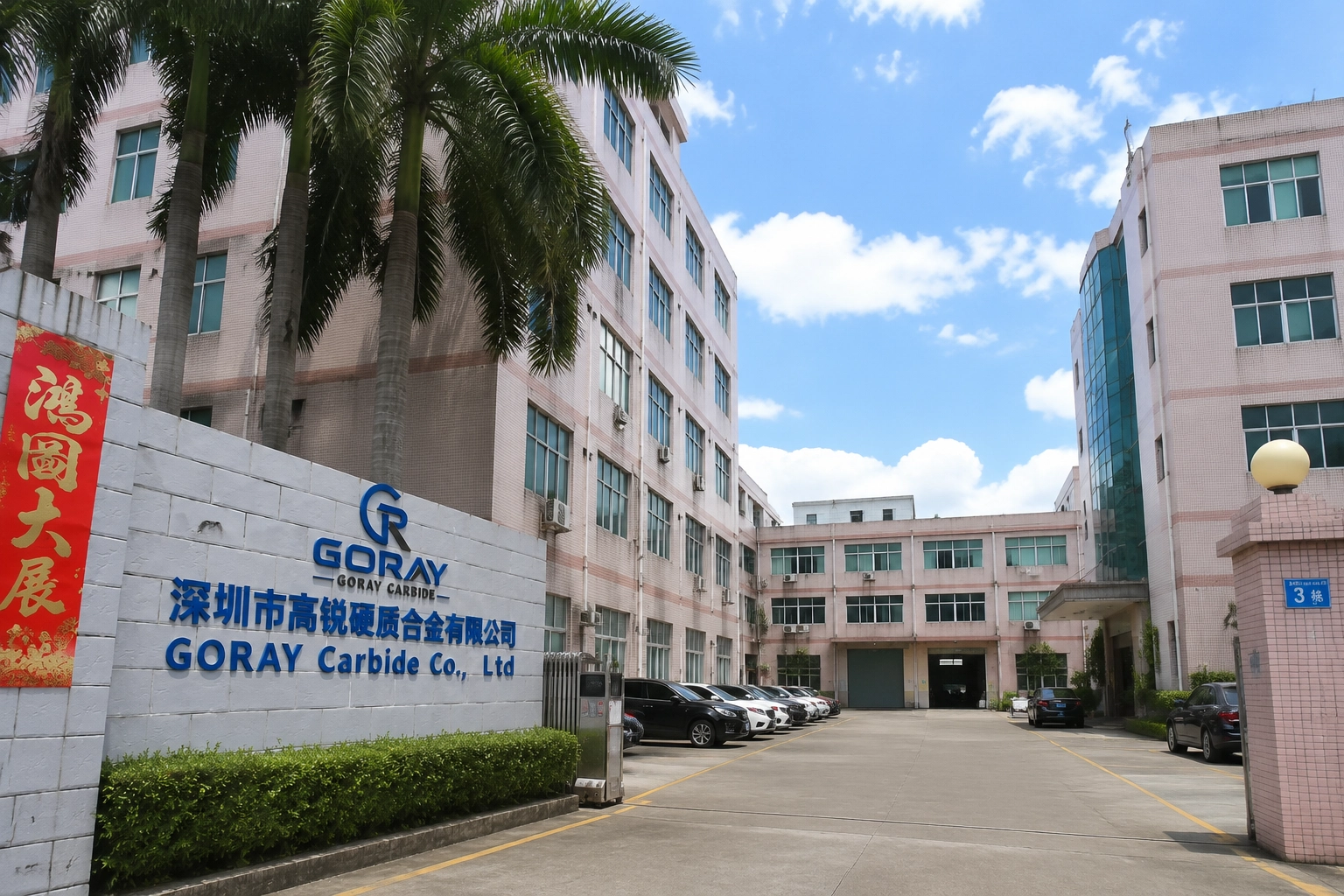
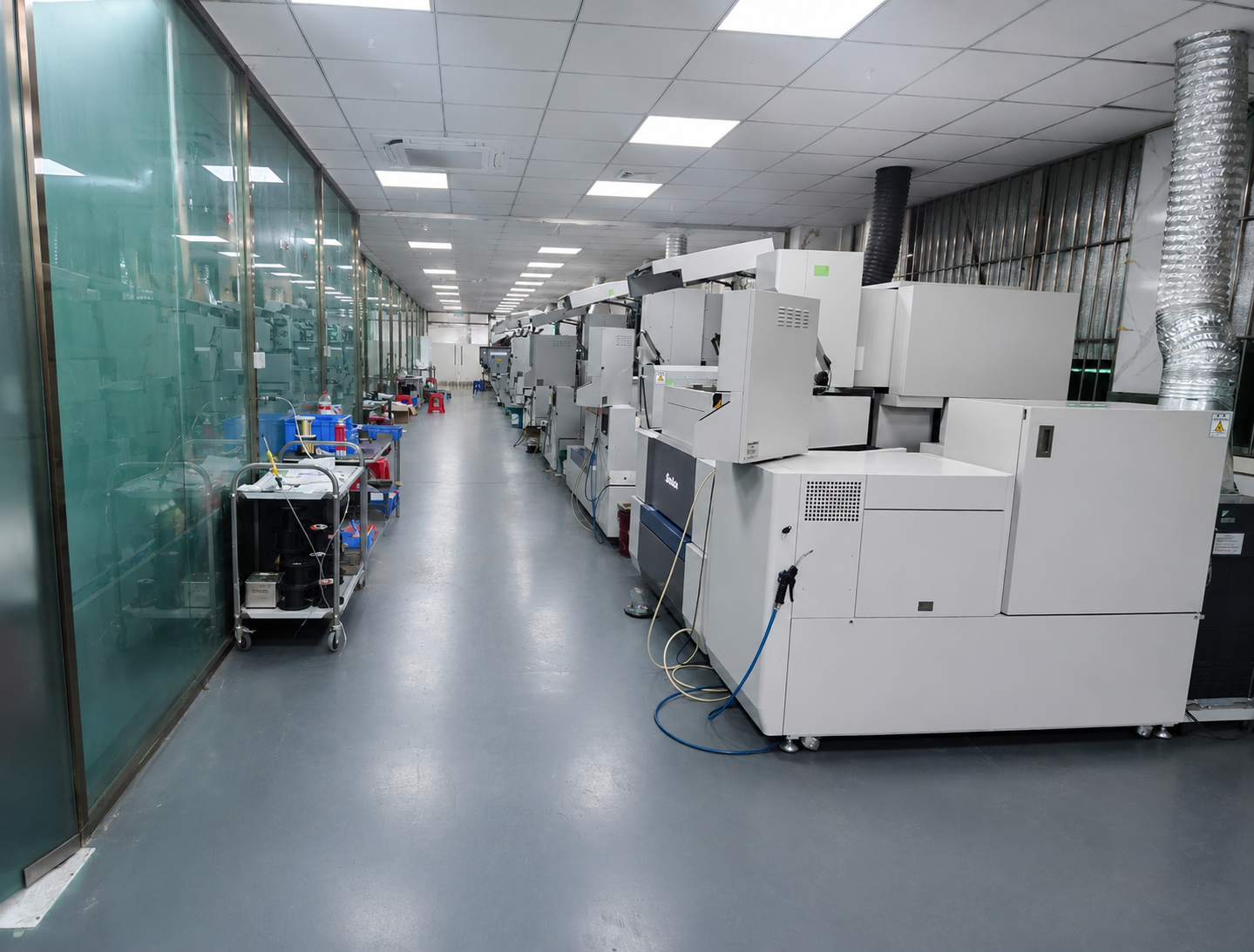
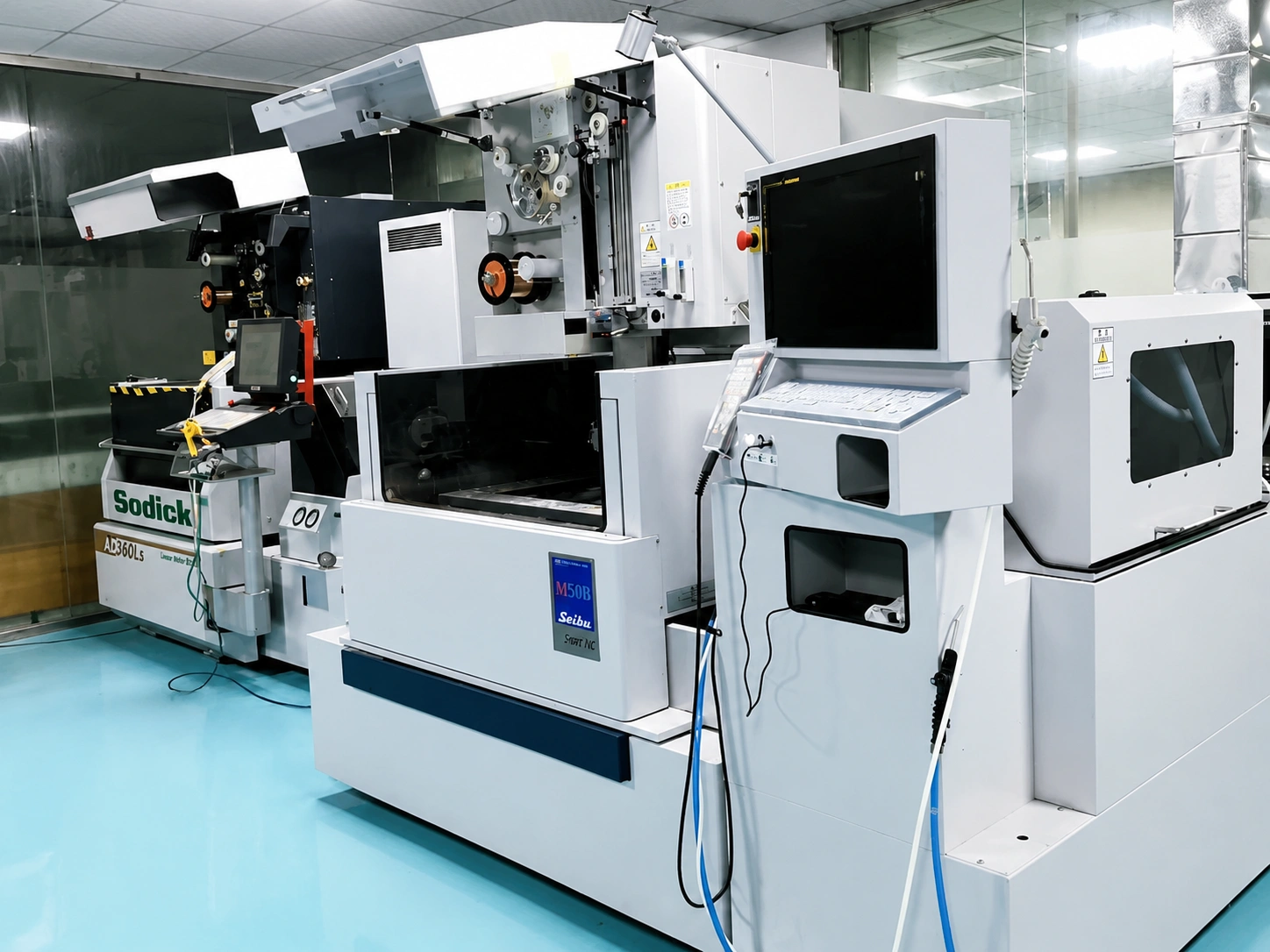
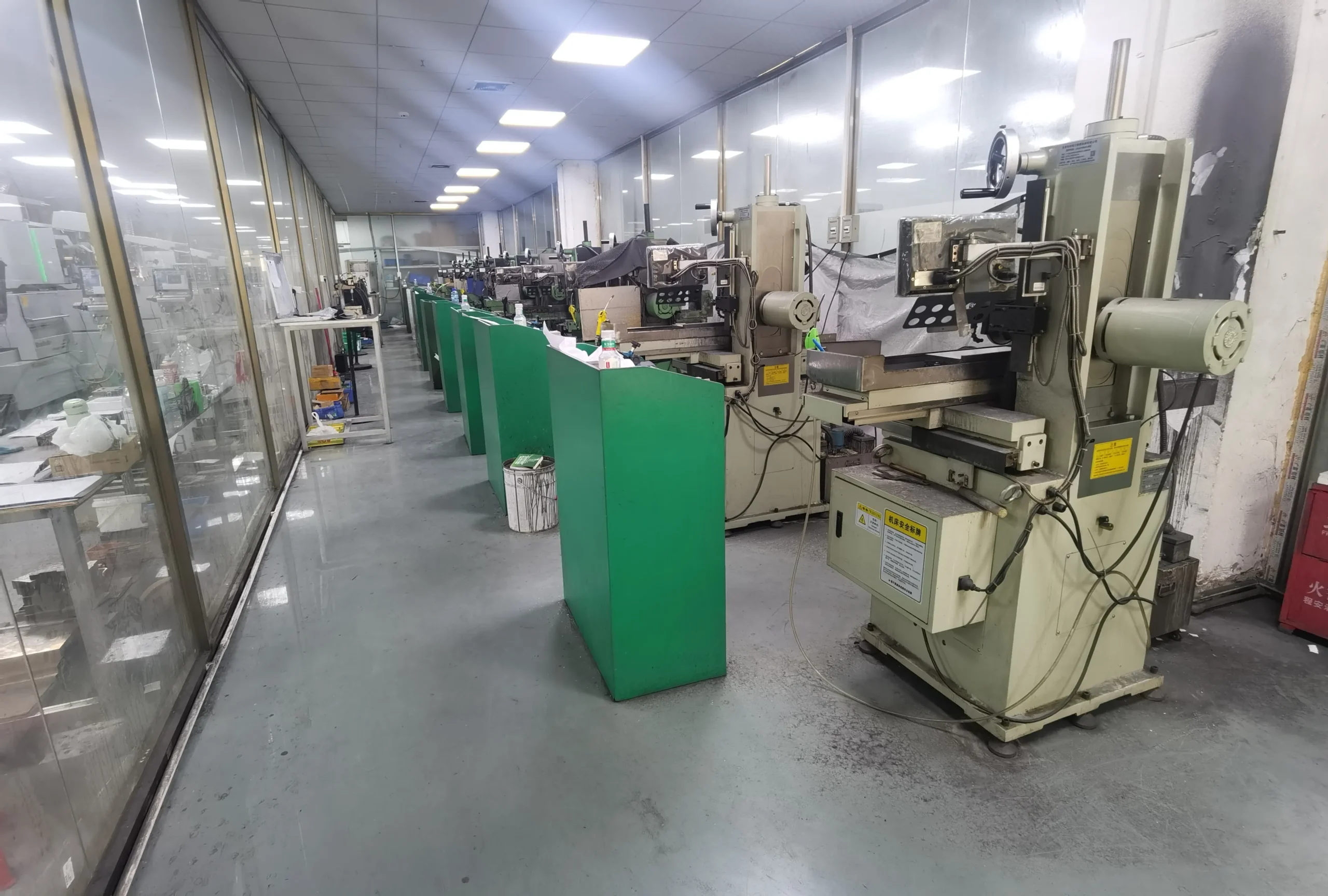
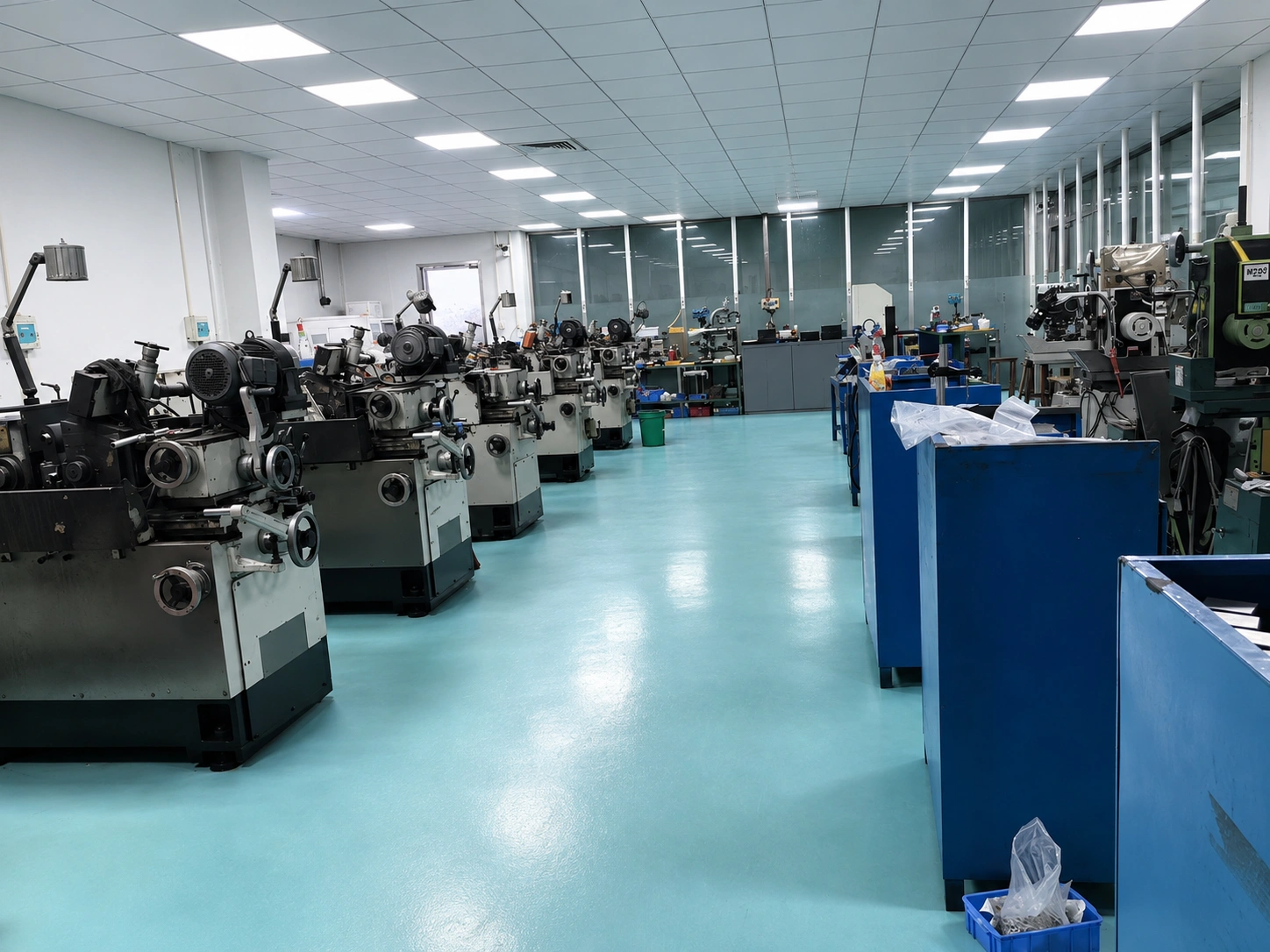
Meet Goray Carbide at international trade shows and take a closer look inside our factory.A trusted custom tungsten carbide manufacturer combining advanced carbide machining, precision grinding, Wire EDM machining,CNC machining, and inspection equipment for global partners.
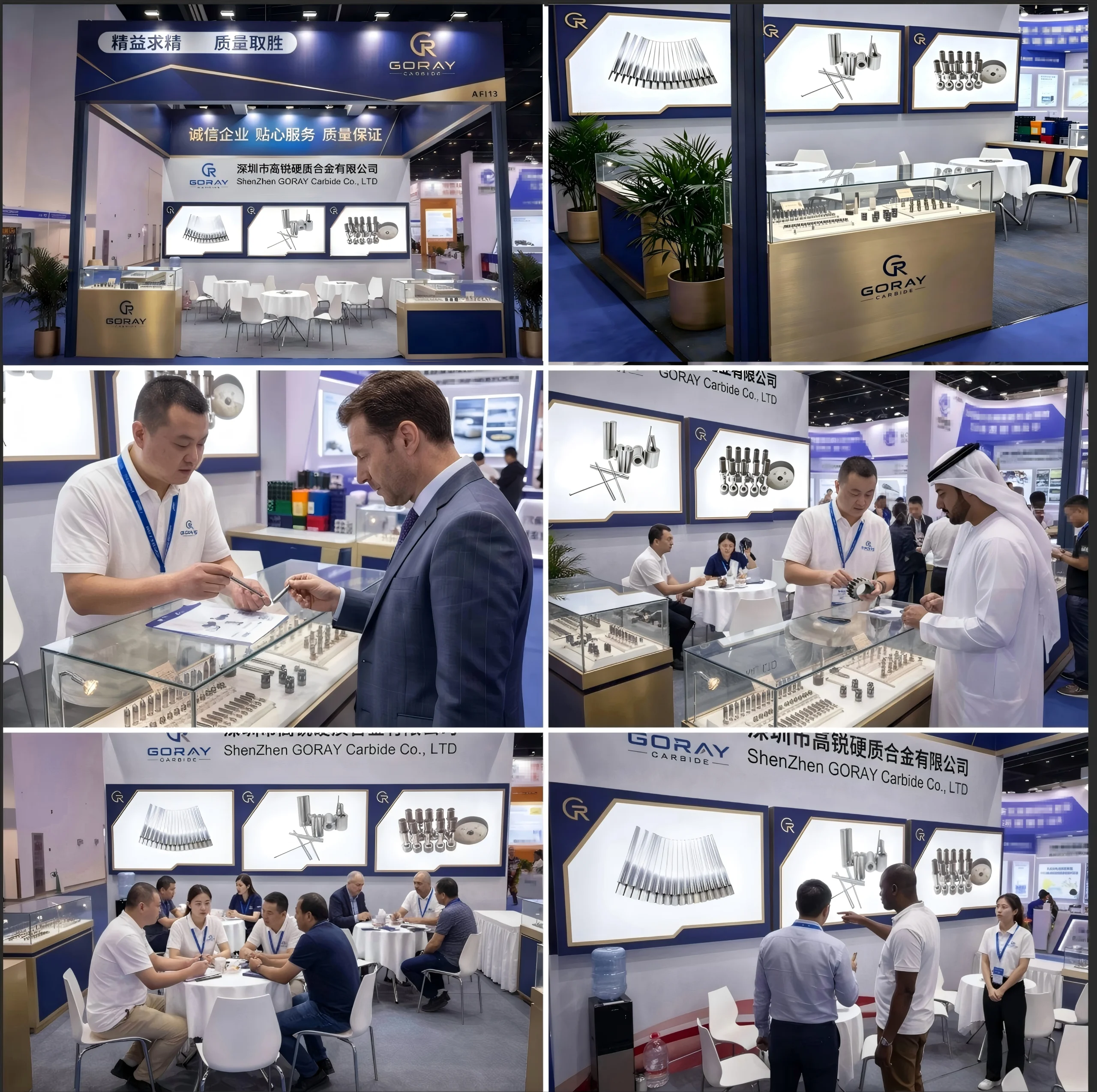
Manufacturing Facility & Precision Machining
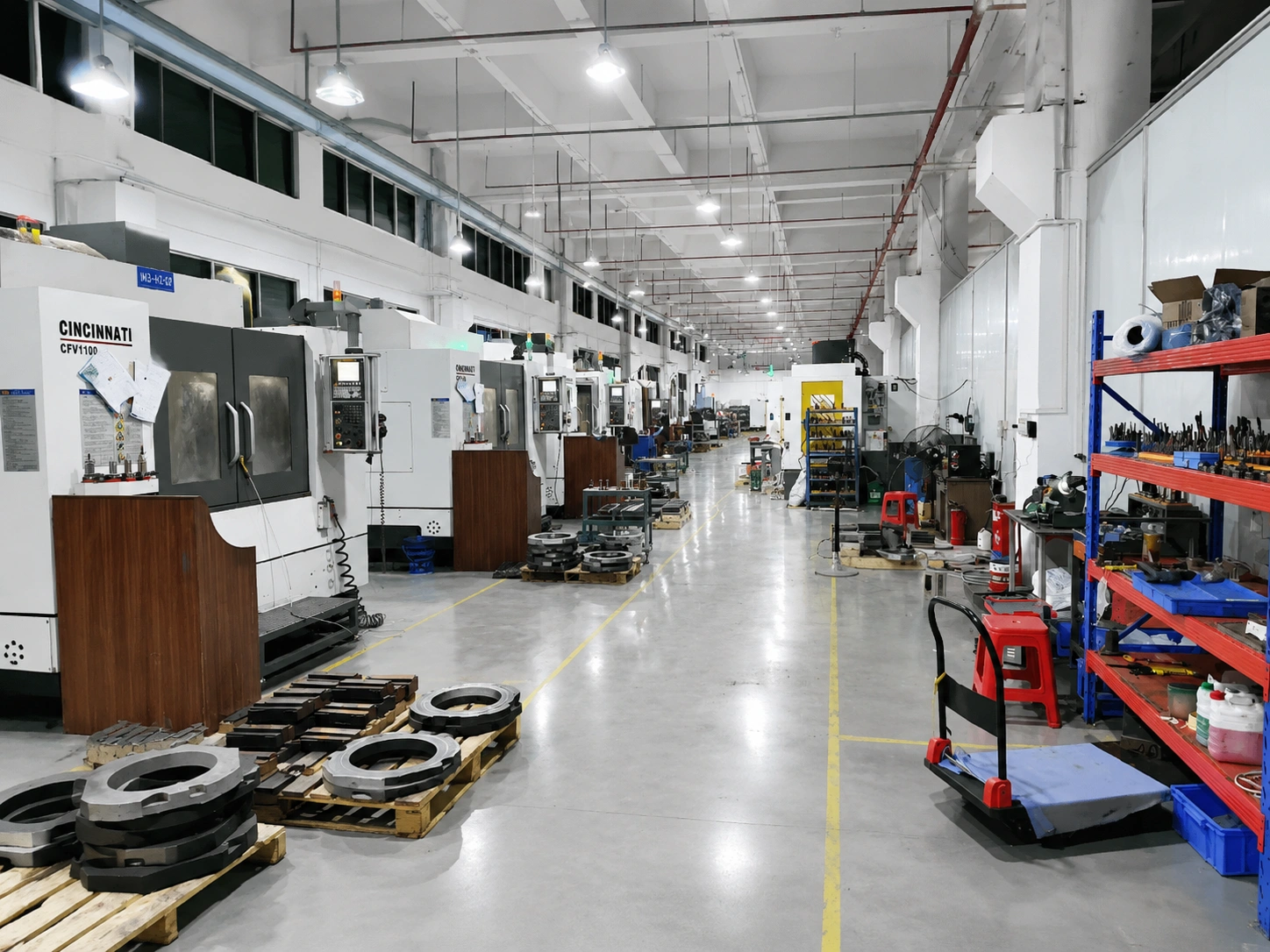
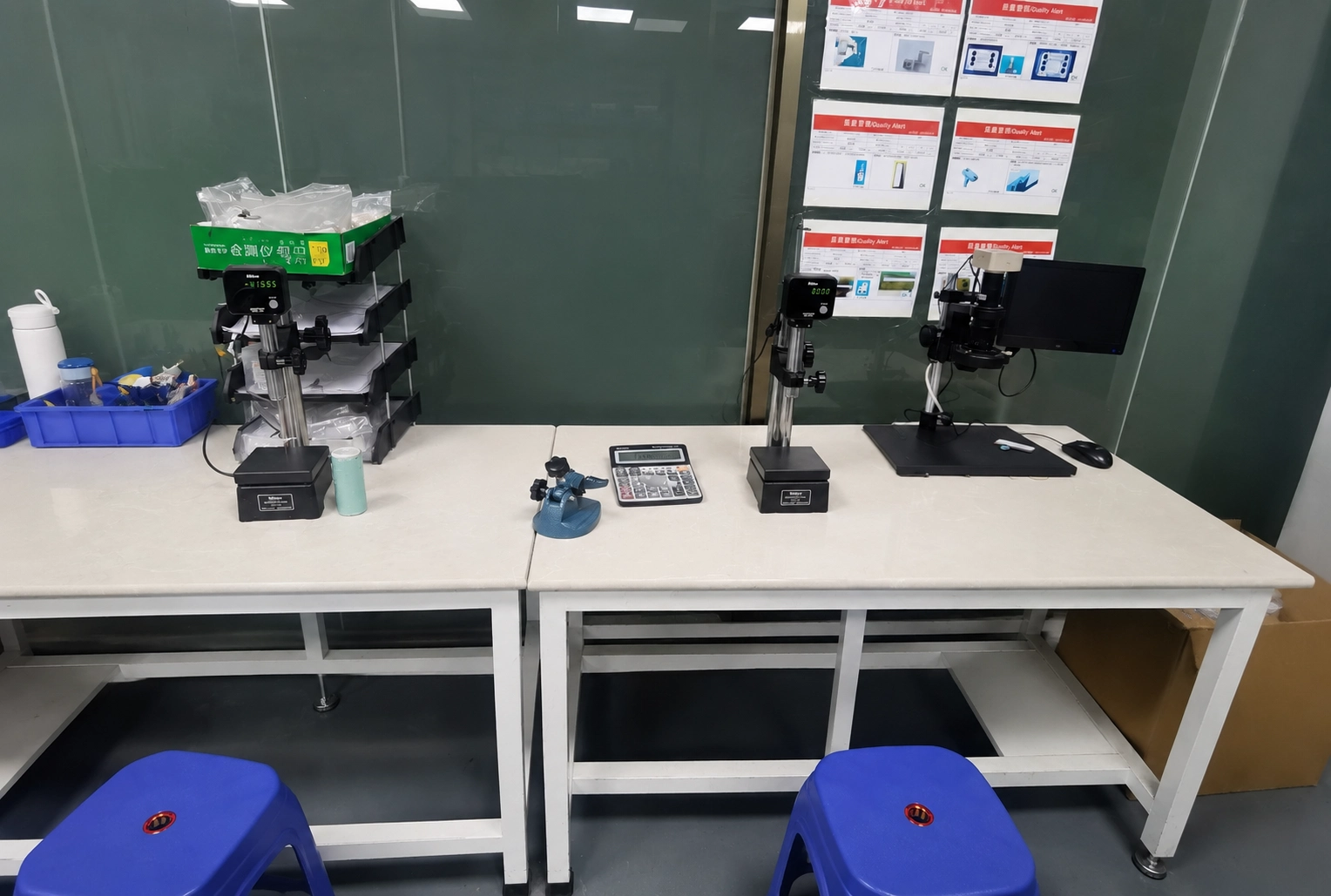
From drawing review and process planning to precision grinding, Wire EDM, CNC machining, surface finishing, and dimensional inspection, key machining processes are completed within our production facility.
Precision carbide components engineered for demanding applications where wear resistance, accuracy, and durability matter.

Precision carbide components for aerospace tooling, fixtures, and wear applications.
Typical Carbide Components:
Ultra-precision carbide components for medical tooling and manufacturing.
Typical Carbide Components:
Durable carbide components for demanding energy equipment applications.
Typical Carbide Components:
Custom carbide tooling components for automotive forming and production.
Typical Carbide Components: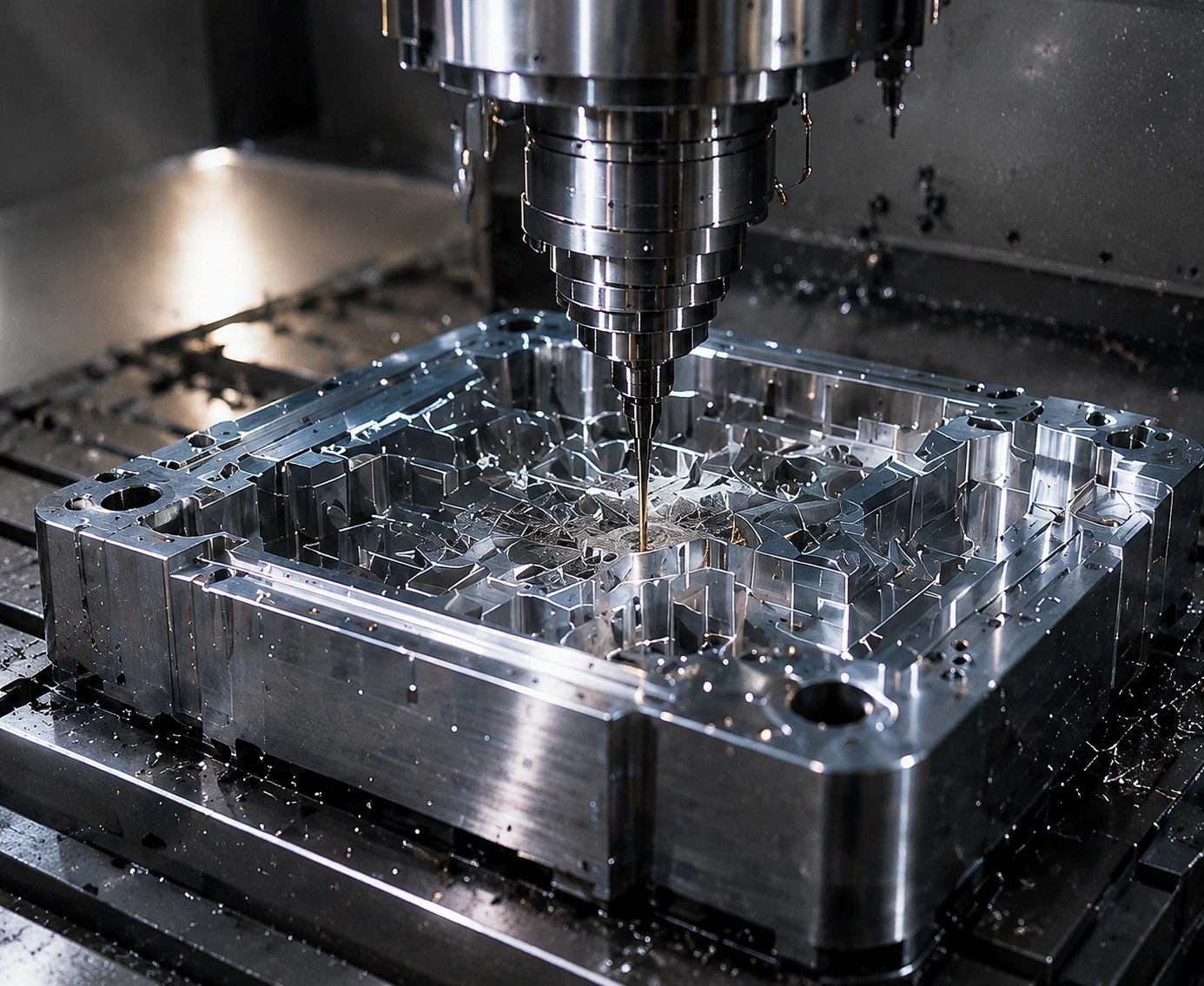
Carbide mold components designed for repeated cycles and dimensional stability.
Typical Carbide Components:
Carbide wear components for abrasive media, pressure, and erosion conditions.
Typical Carbide Components:Tell us about your custom carbide project needs and upload your drawing or file. We will review it and get back to you as soon as possible!
Contact our experts for custom carbide machining, precision parts, and specialized tooling solutions. We typically respond within 24 hours.
Please fill out the form below and attach your drawings. We will review your requirements and respond promptly.